The story
Agents of Reading Culture: Four Chapters
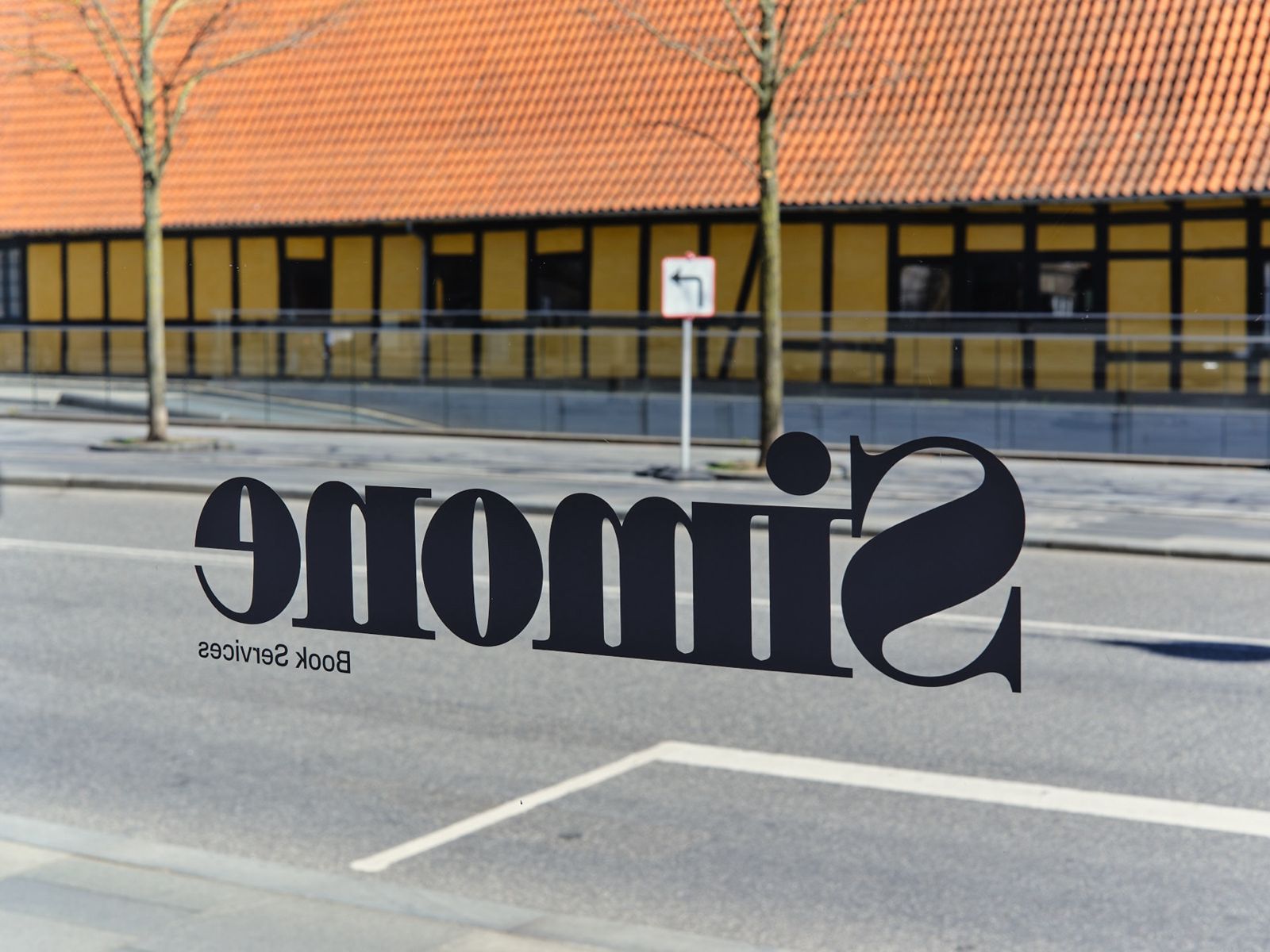
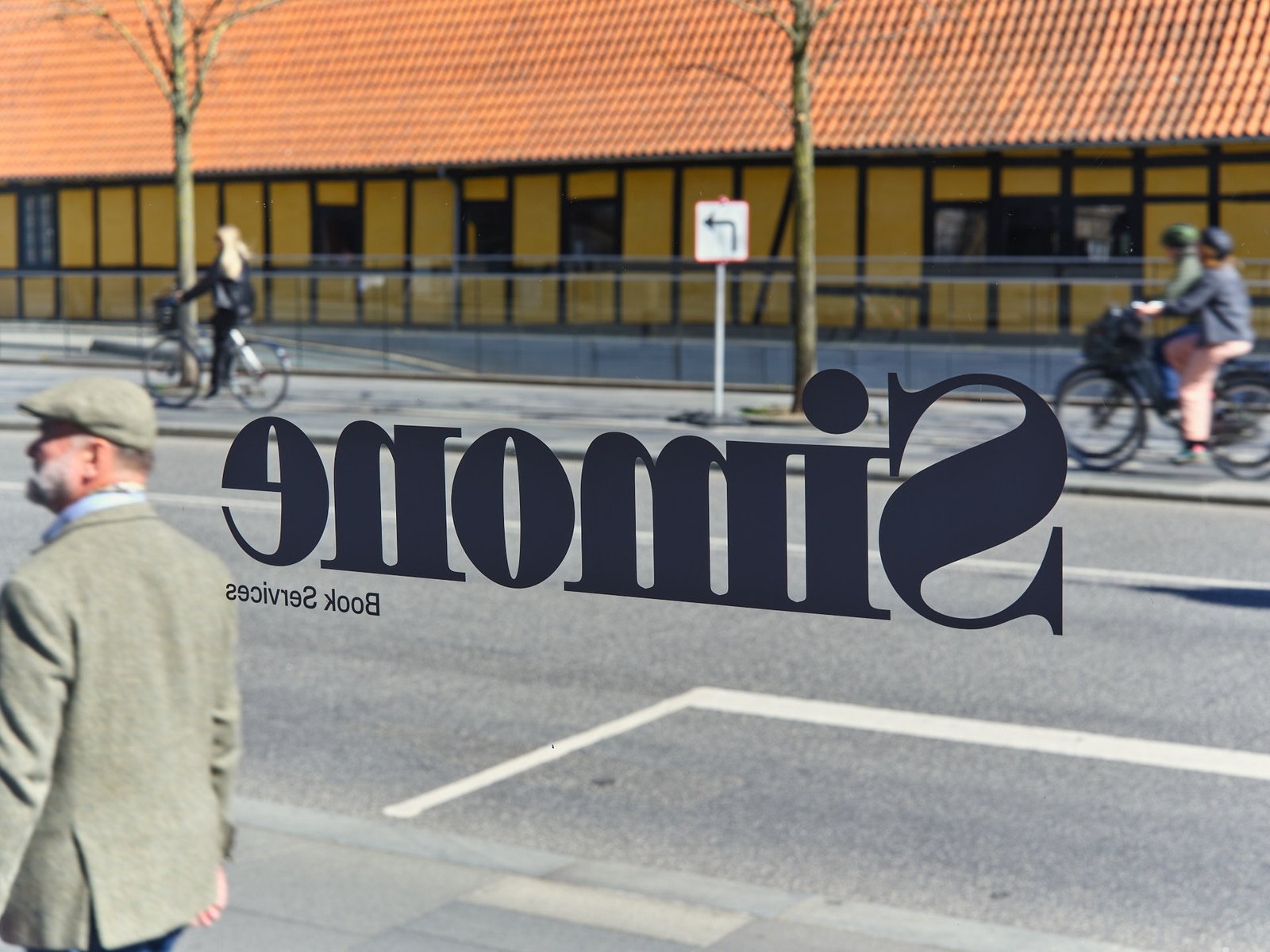
Simone opened in February 2026 at Vester Voldgade 106, one minute from Glyptoteket and a short walk from the Black Diamond and the Danish Architecture Center. The bookstore acts like a showroom, a gathering space and an office for Simone. Simone does four things at once. It runs a shop floor where rare editions and new publishing sit side by side without categories. It keeps a gallery room, the Red Room, for exhibitions, launches and talks. It works as a curatorial practice that builds libraries for brands, studios, spaces, homes and offices. And it runs a design programme that invites Copenhagen based designers to rethink how books are read, displayed and kept. The four share one idea. A selection is a set of positions, and a room full of them should produce encounters the visitor did not plan.
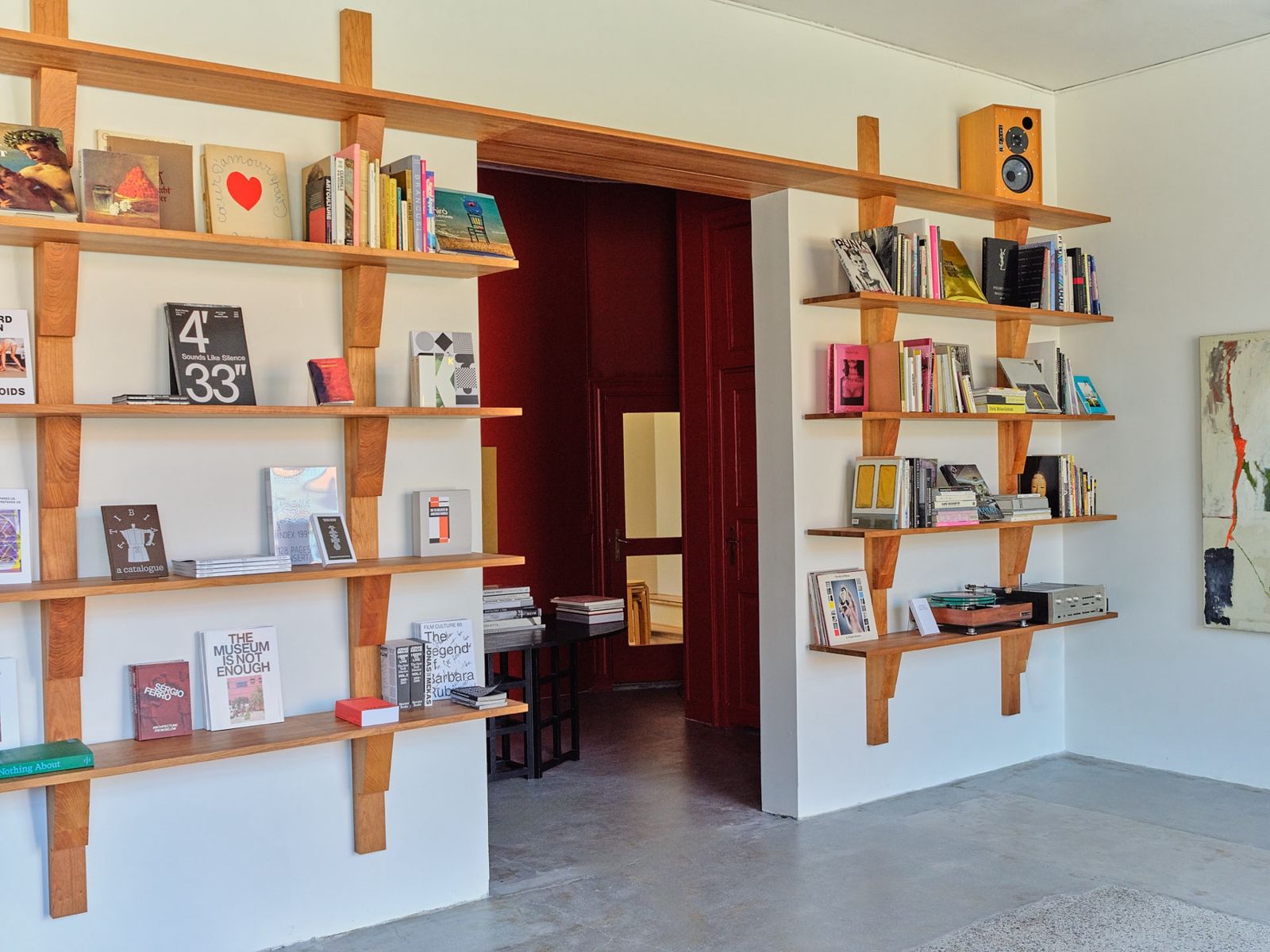
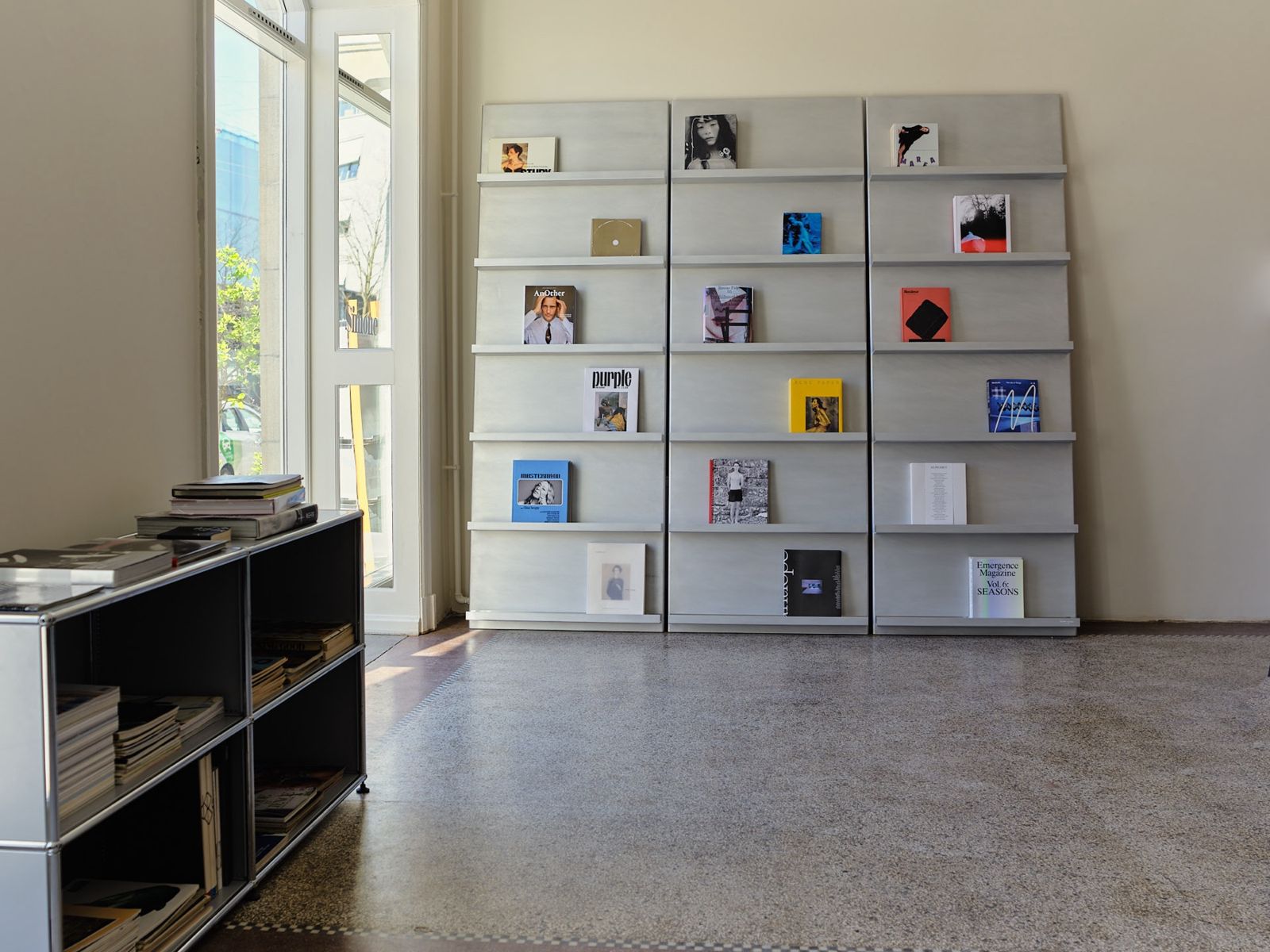
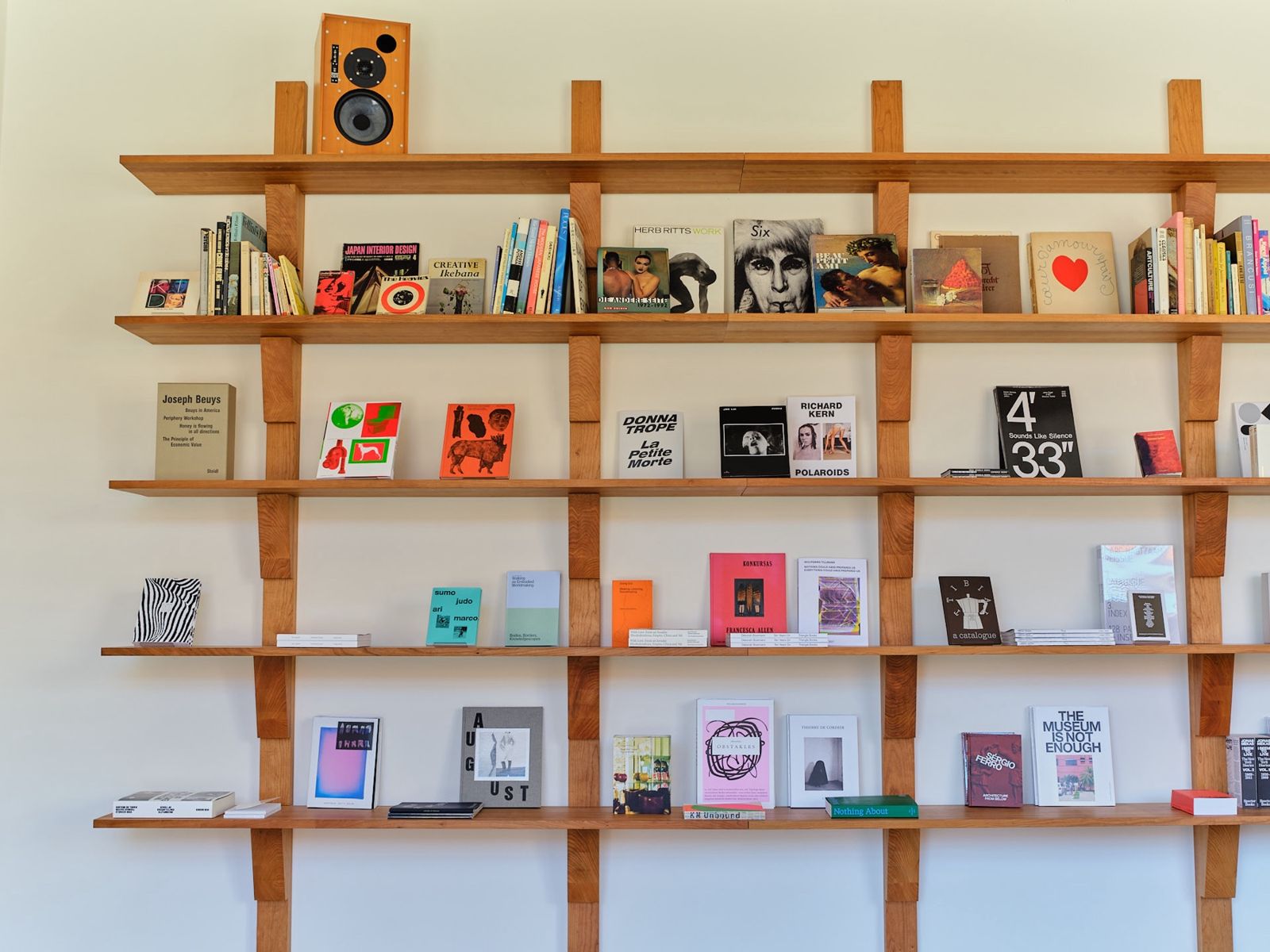
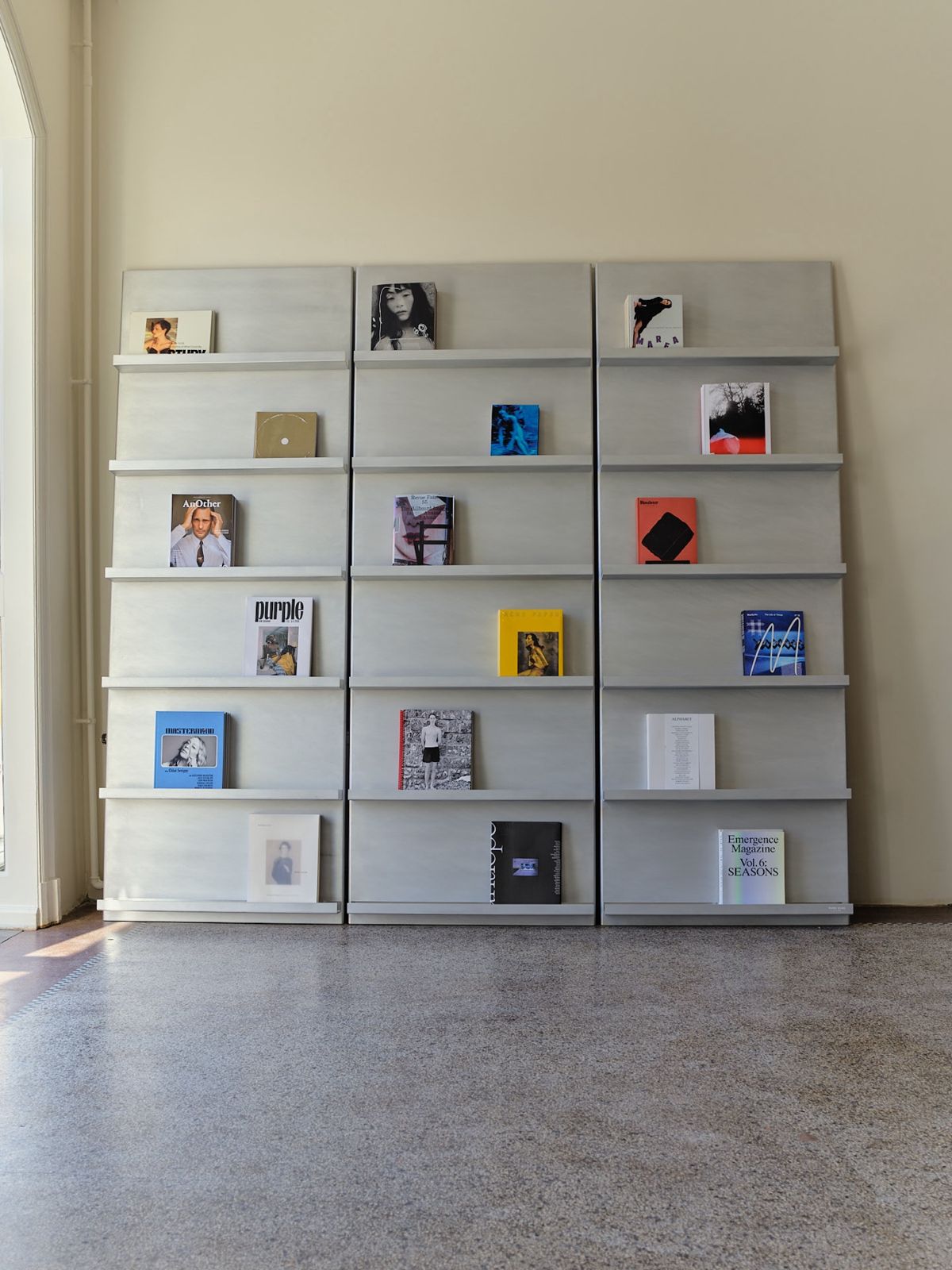
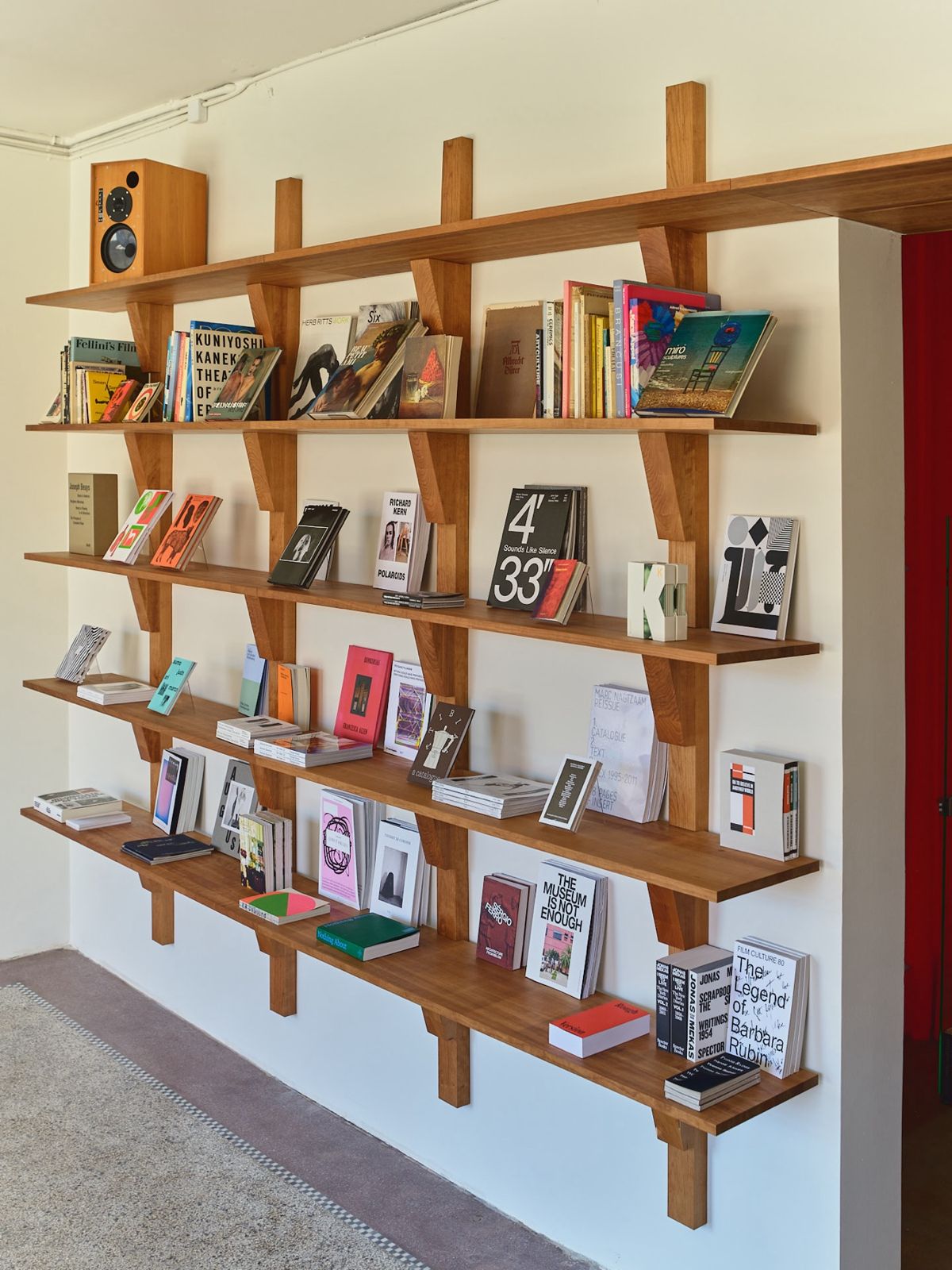
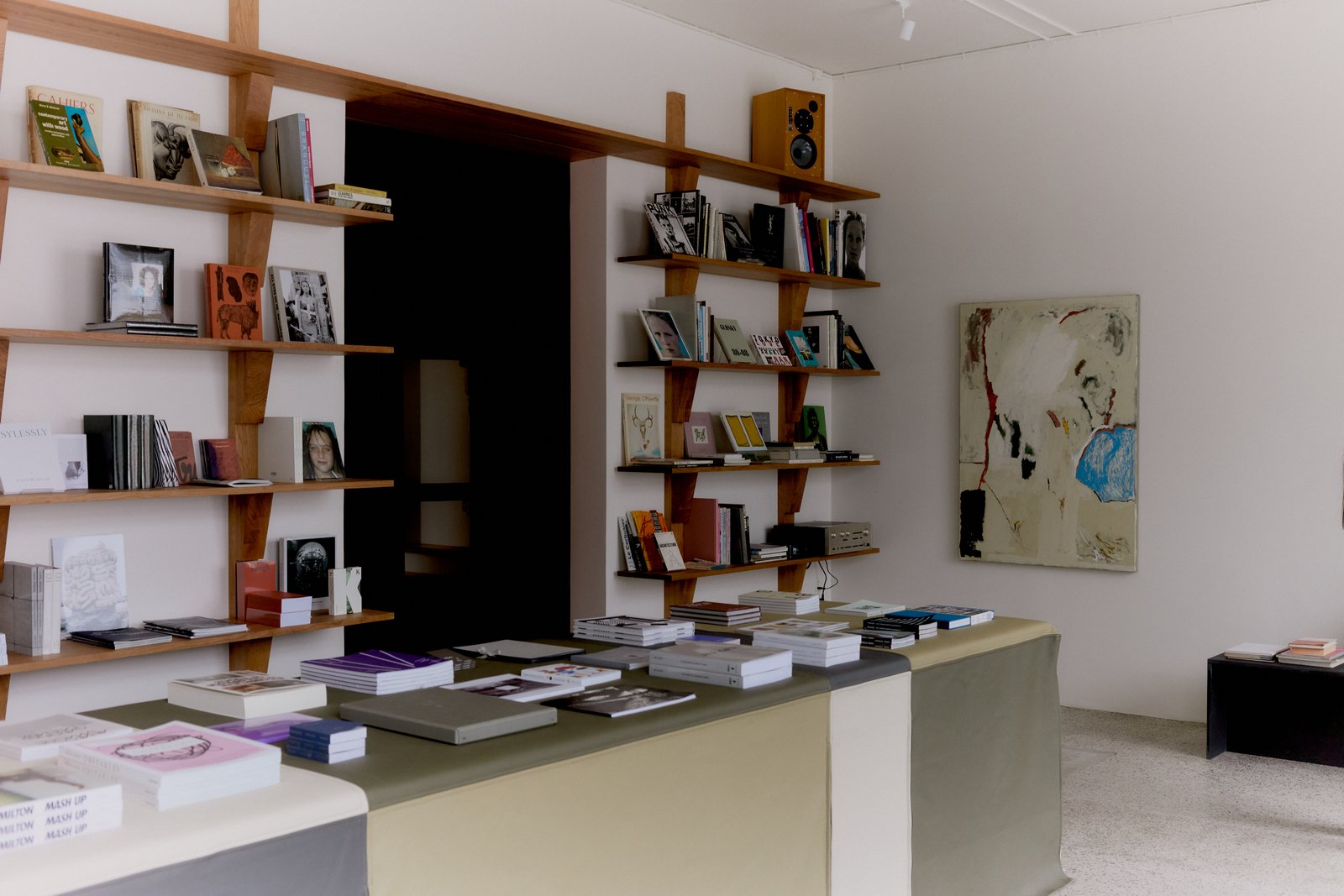
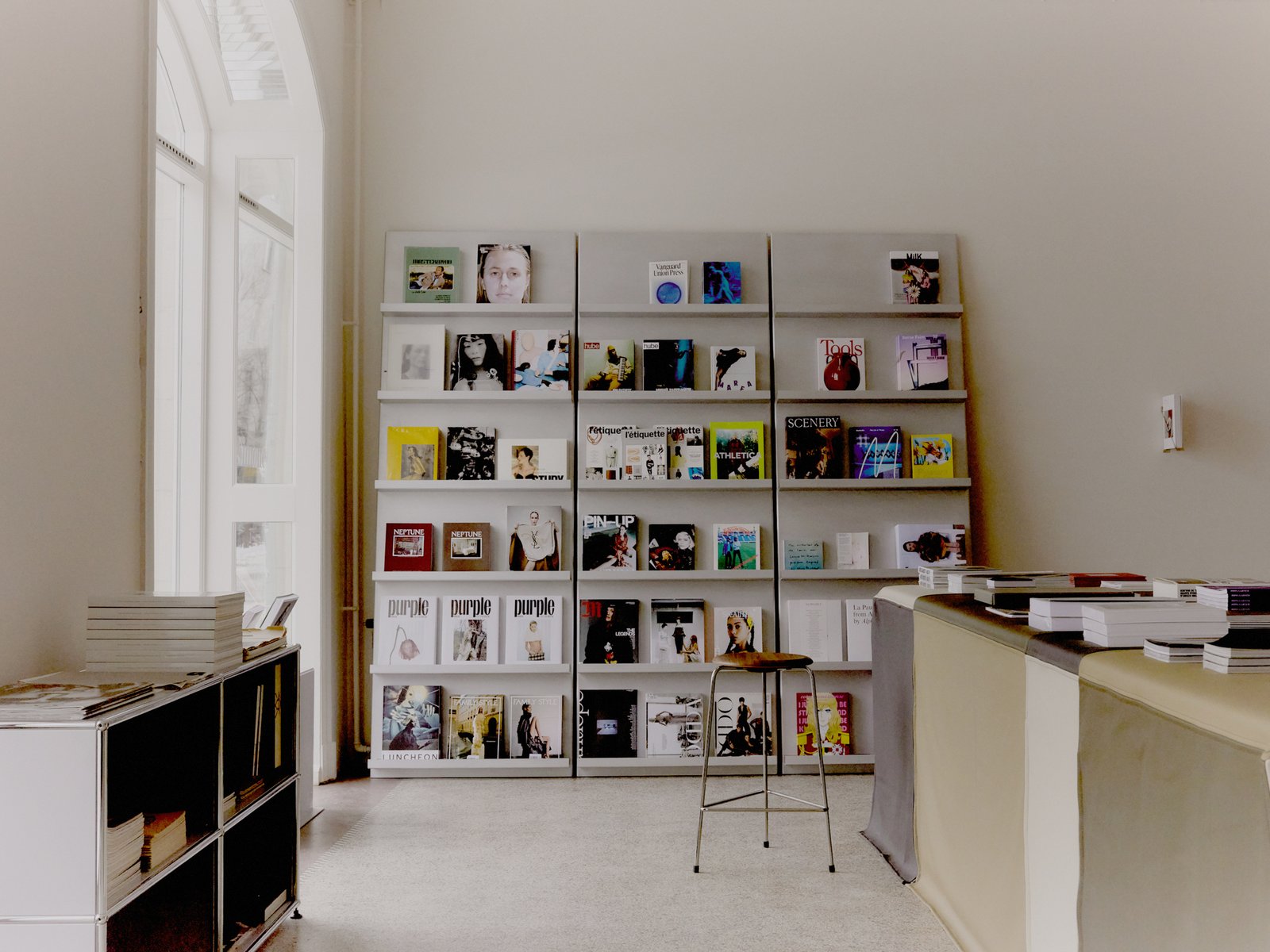
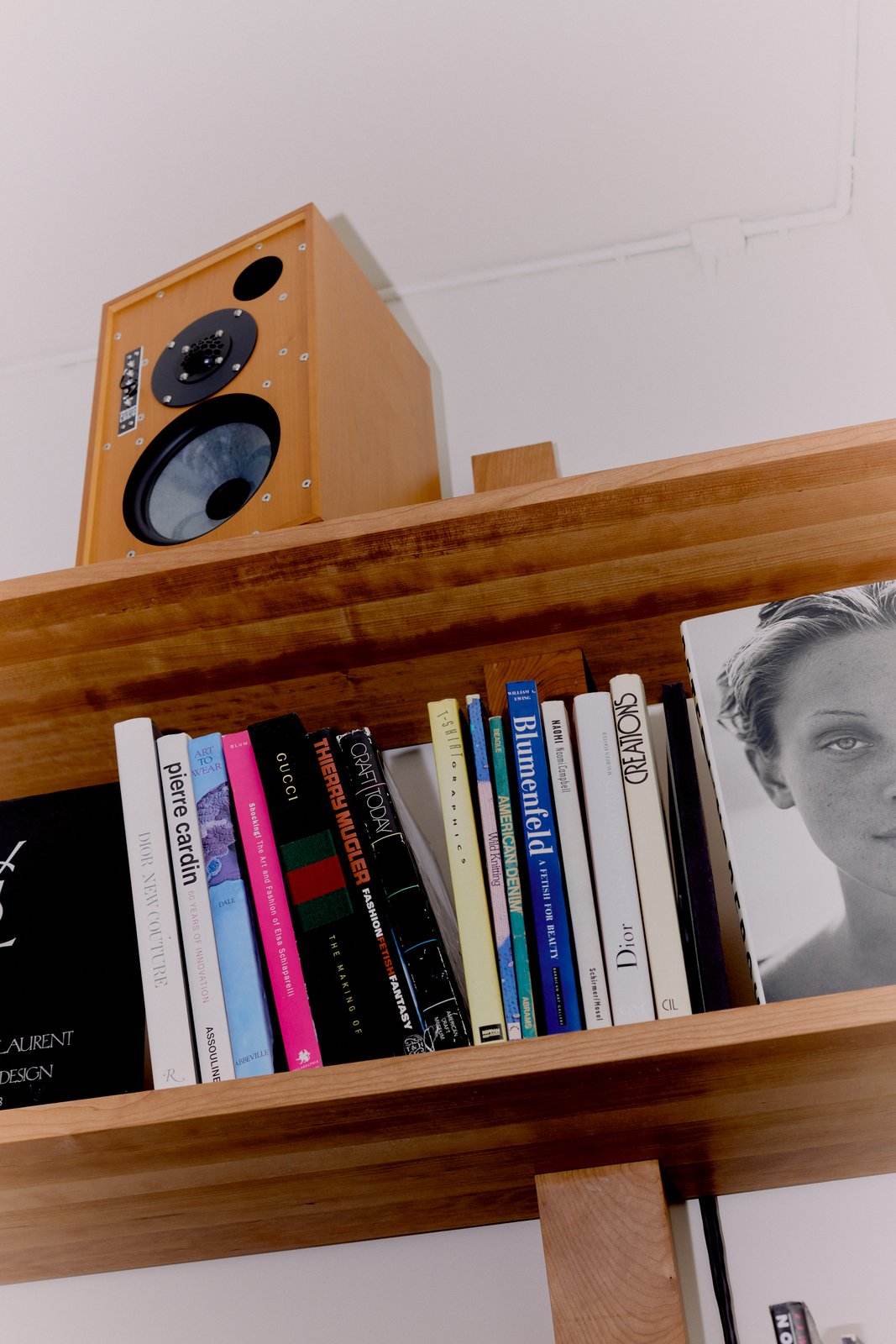
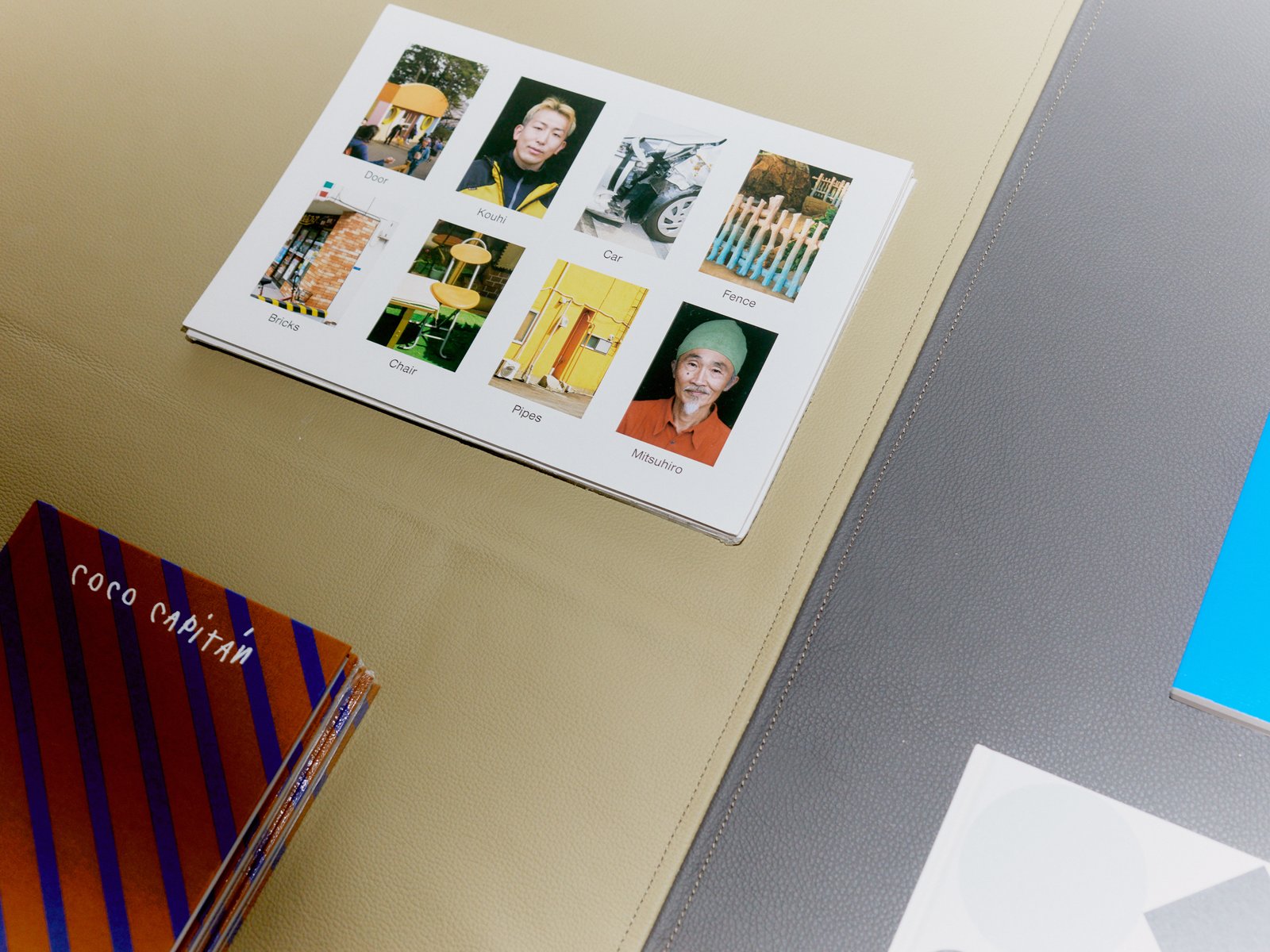
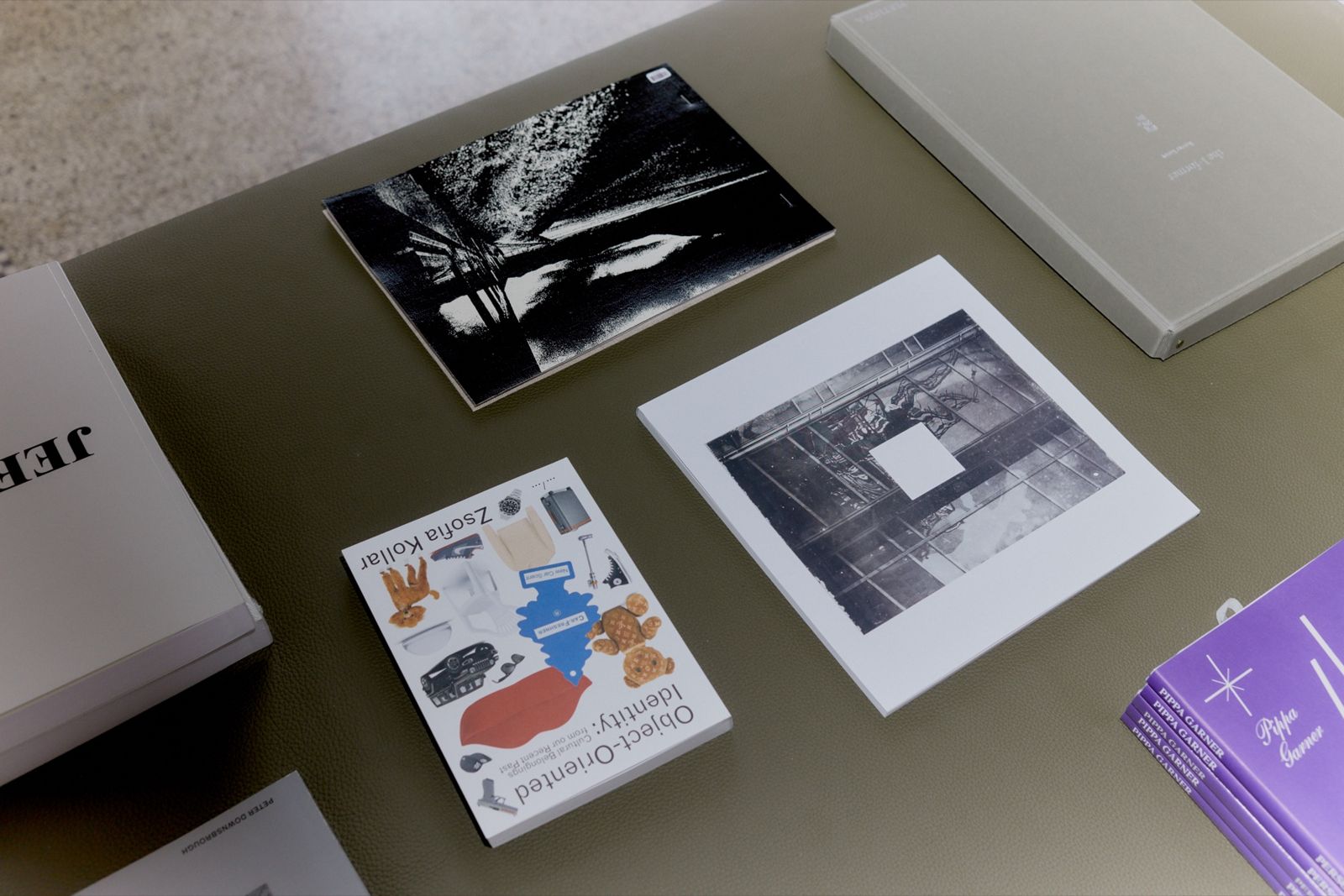
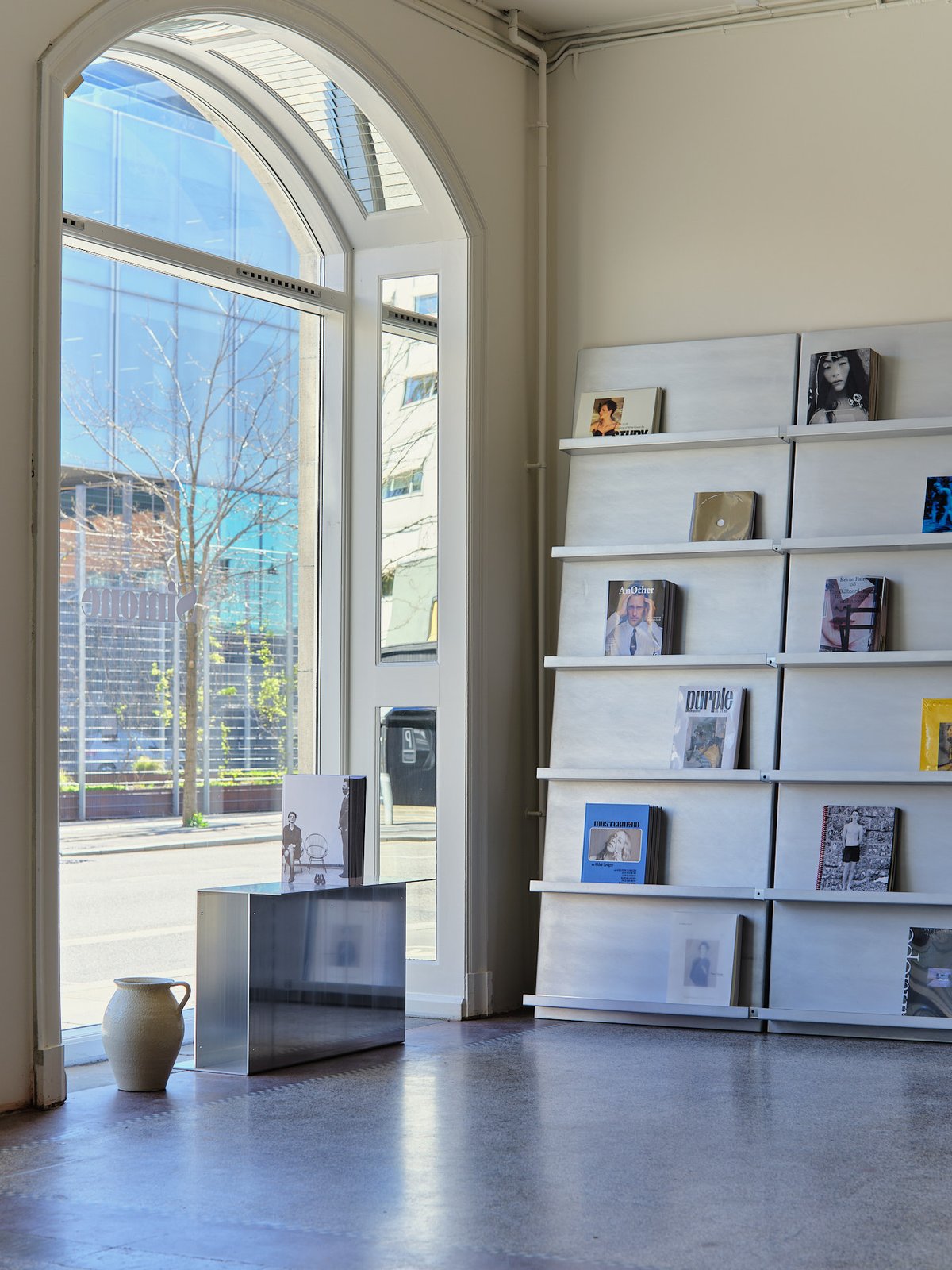
The floor is built around rare and out of print books: artists’ books, exhibition catalogues, photobooks and monographs on art, design, architecture, photography, fashion and culture. Beside them sit limited runs from independent publishers and a selected periodical wall of around eighty current titles, with vintage issues alongside. More than a thousand titles across 114 square metres. Many of the titles and publishers had never been stocked by a Danish shop before Simone brought them in.
A floor without categories
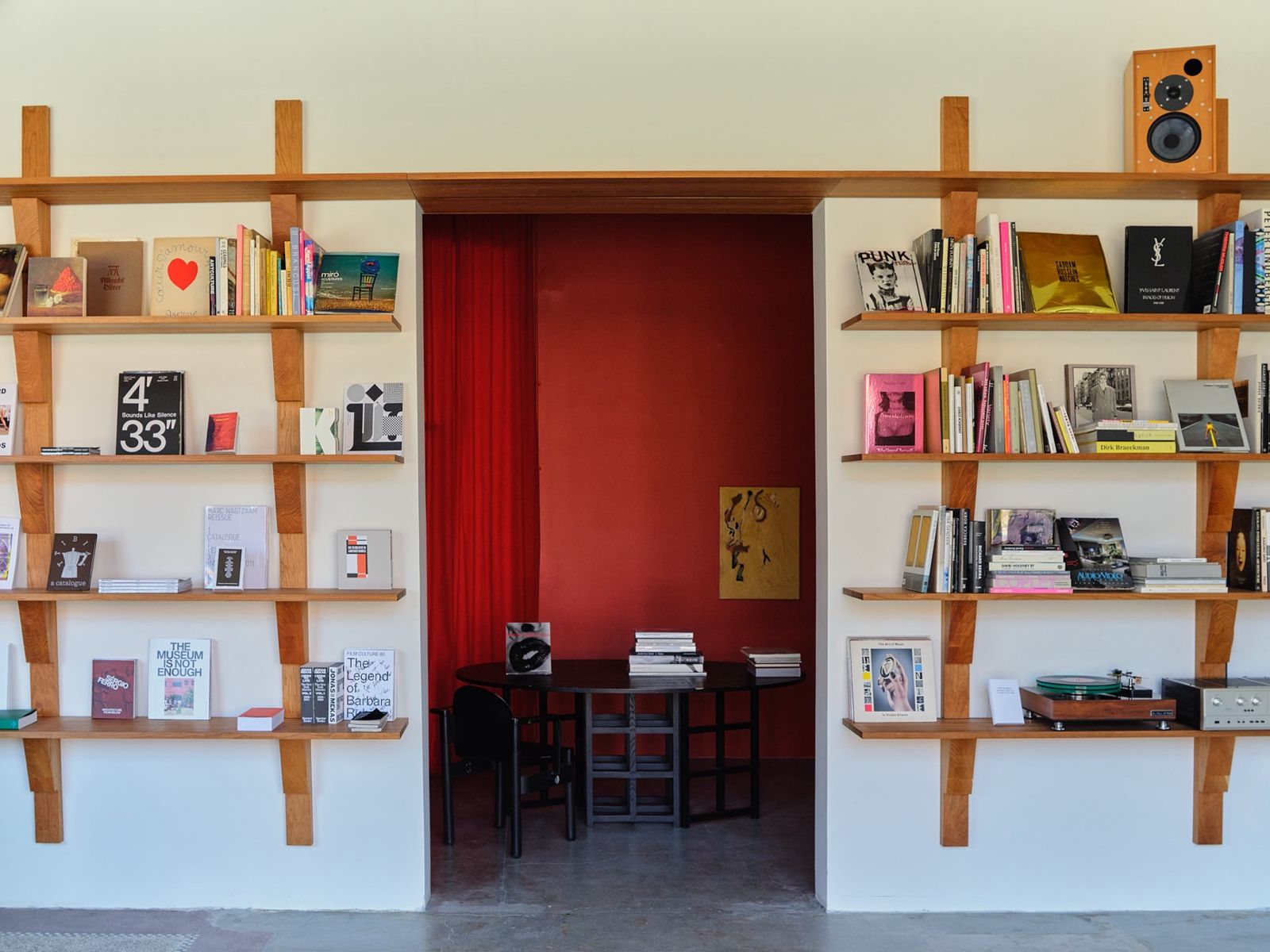
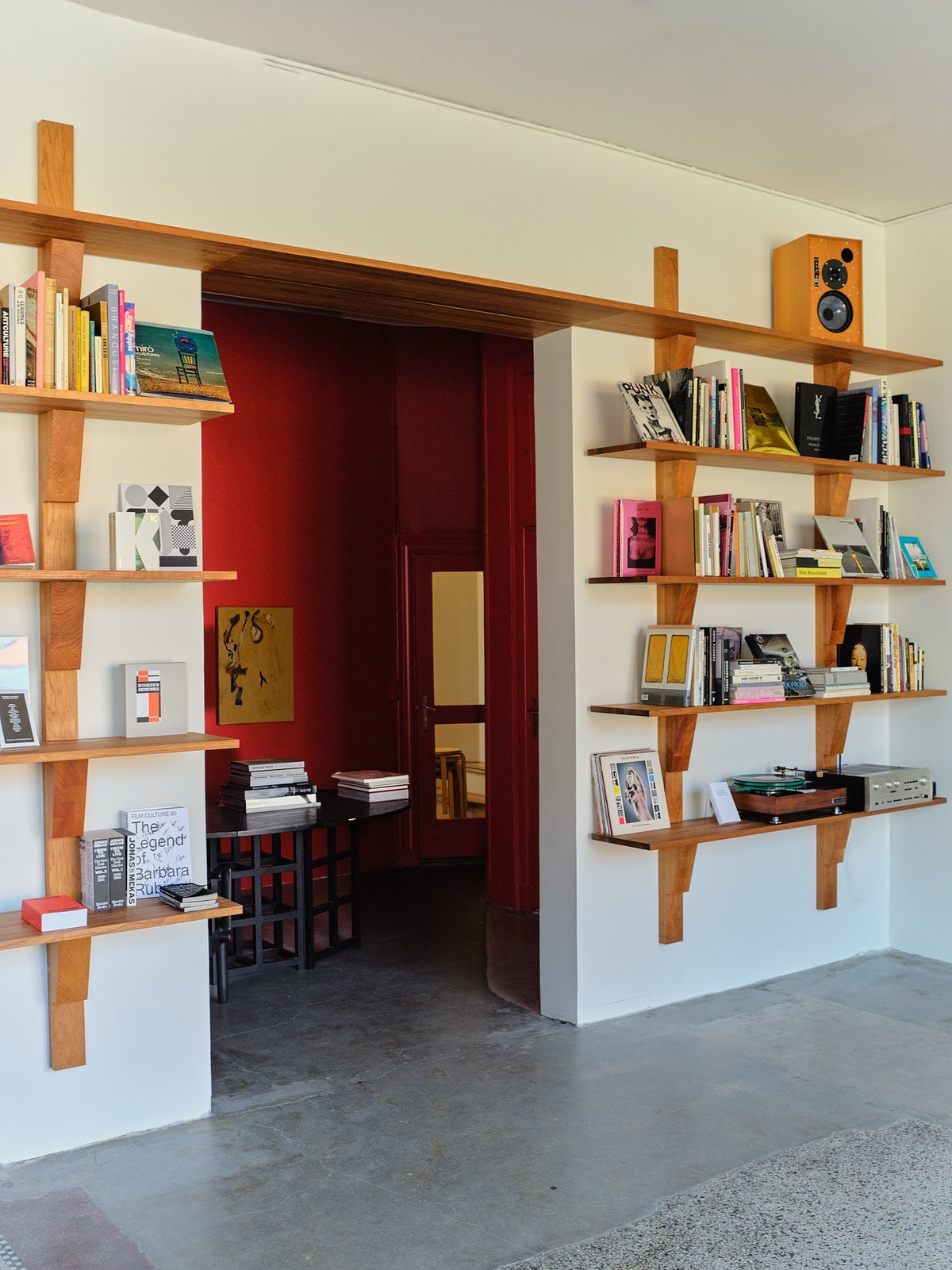
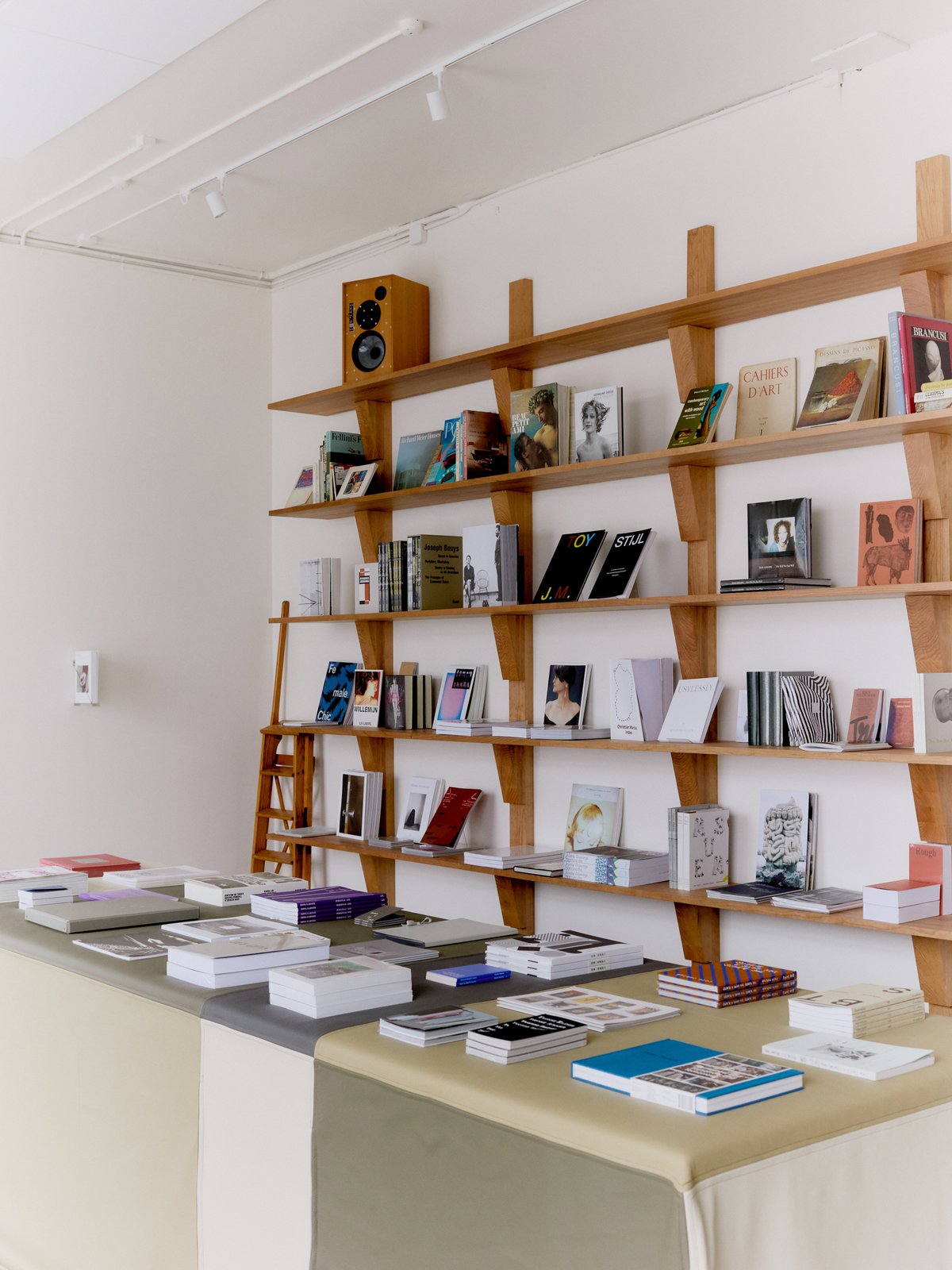
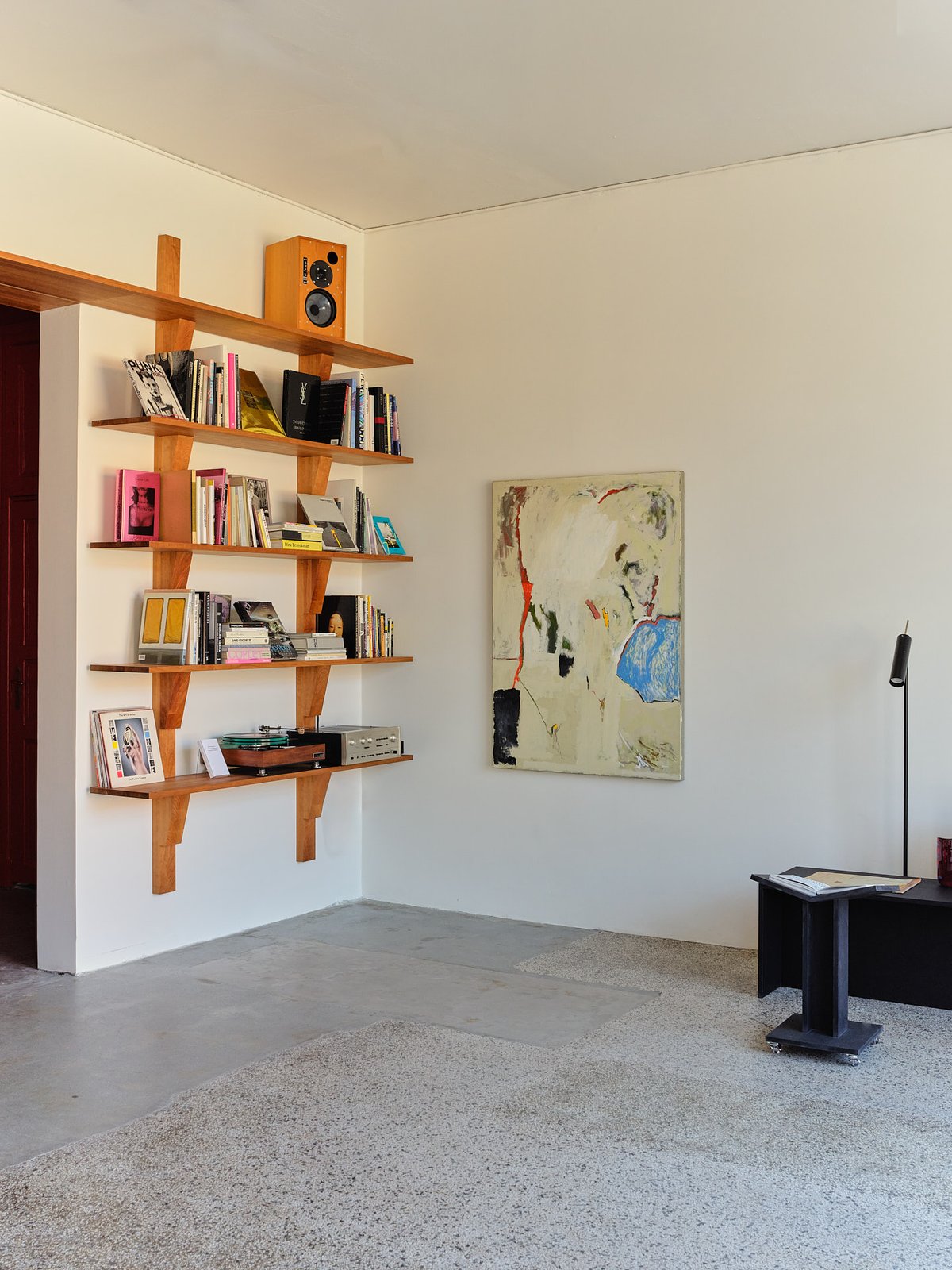
The main room has no sections. Books are not divided by genre, publisher, period or format, and the founders rearrange them as they like. The idea is the reader’s own connections: a book placed next to another because of a reference, a colour, a shared question. Two criteria decide what comes in: whether the book will still be relevant and inspiring in a fast era, and whether it will remain a pleasing object to own for years. What is refused is the generic, however well designed, and anything that carries the fatigue of the feed. Nothing is pulled from a recommendation engine. Every title is chosen by hand.
The Red Room
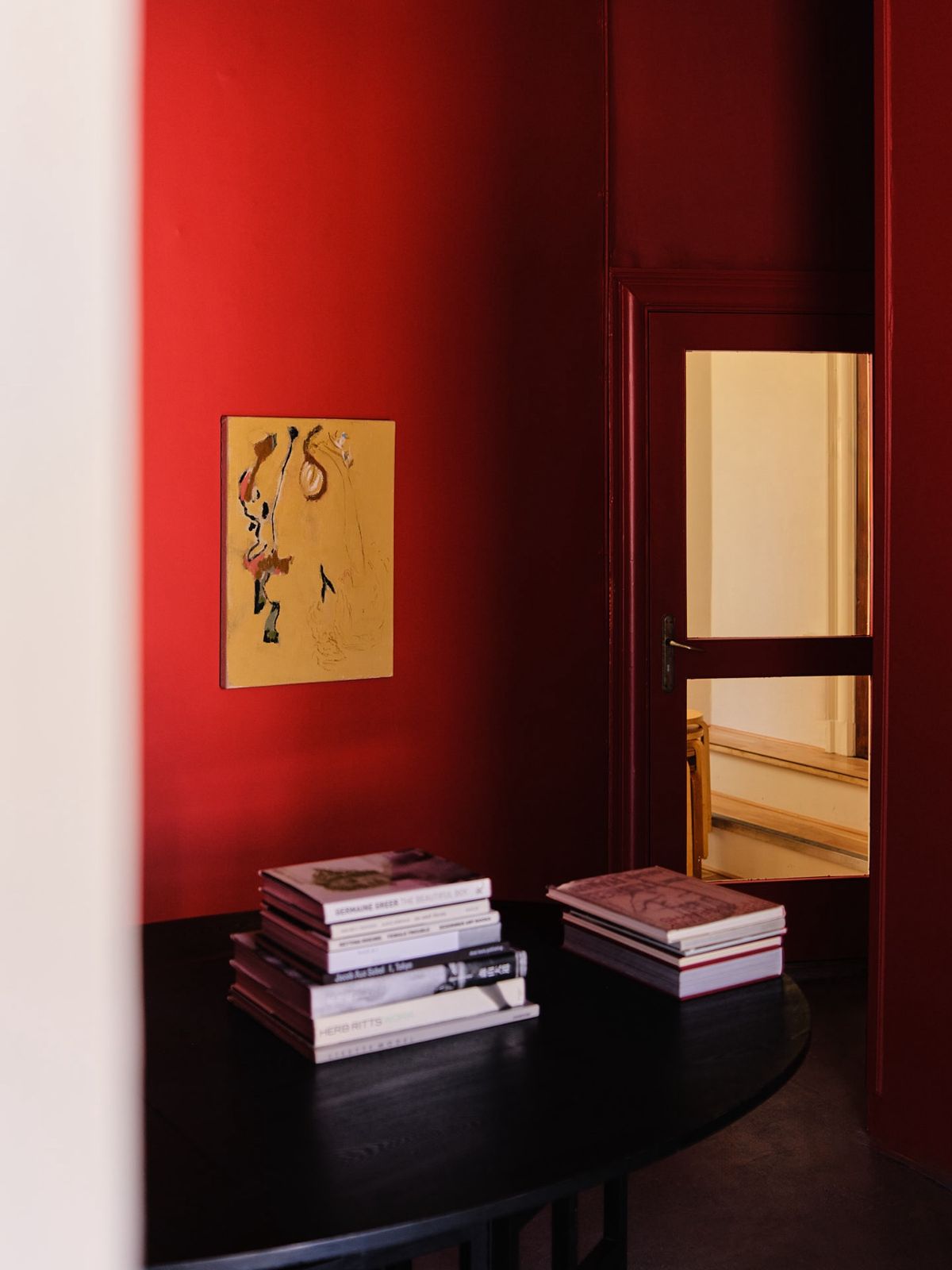
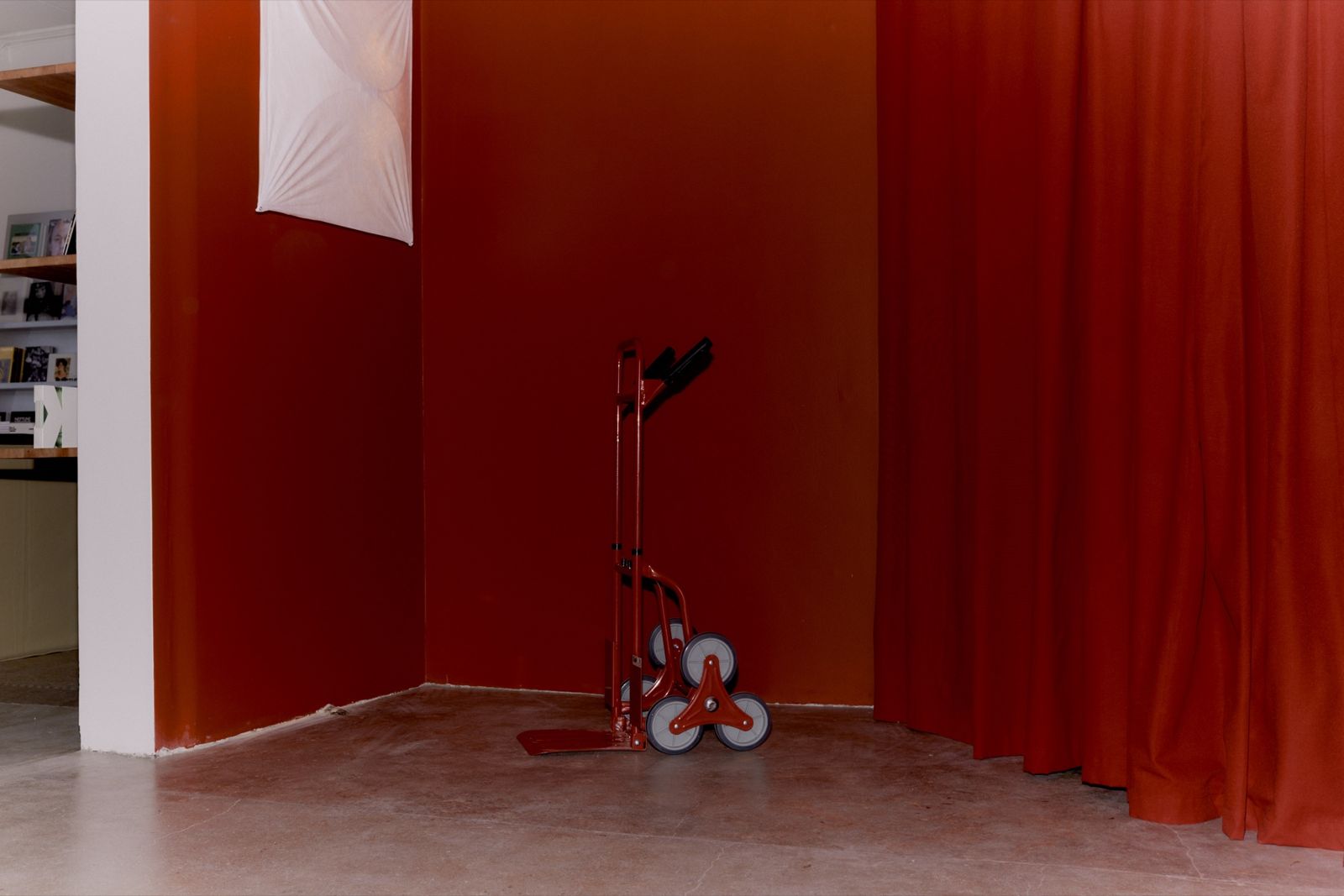
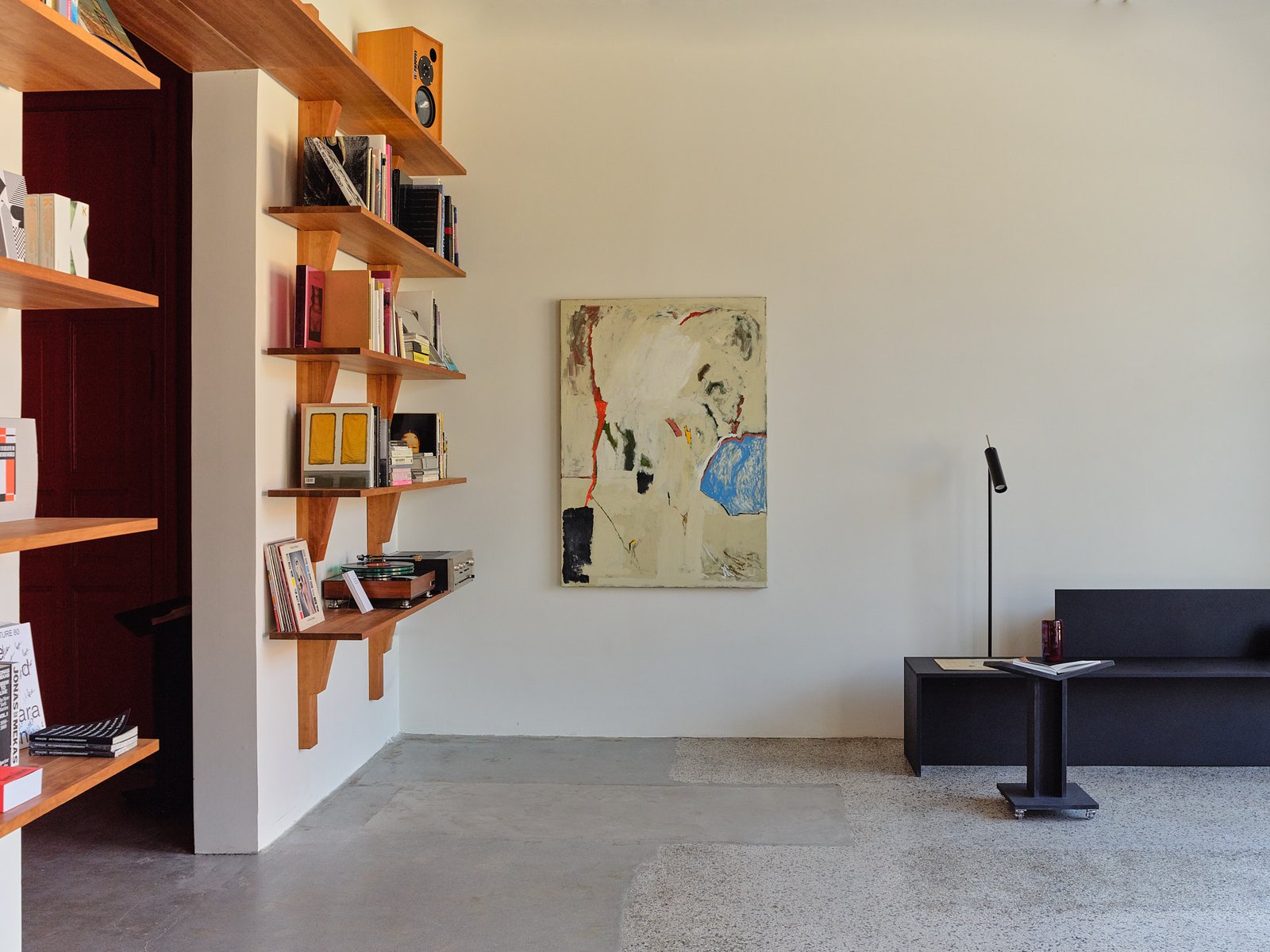
The rooms connect without doors, so the shop reads as one continuous space. Next to the storefront, a room of about twenty square metres is the Red Room, the gallery of Simone, reserved for curations and exhibitions. Red is one of Simone’s brand colours, and David Lynch’s red curtains are the reference the founders cite.
Since February the Red Room and the main floor have hosted around a dozen events, among them Display / Displayed, a group exhibition for 3daysofdesign on objects of and for display across books, design and photography; Bonnetje Recut, a pop up during Copenhagen Fashion Week with the Wessel & Vett Fashion Prize finalist, for which Simone curated a small library on tailoring and construction; and a talk around Louisiana Museum’s Franz Gertsch book. Photobook launches, a live performance and a reading club fill the rest of the calendar, listed in full in section IV.
Tailored like a couture dress
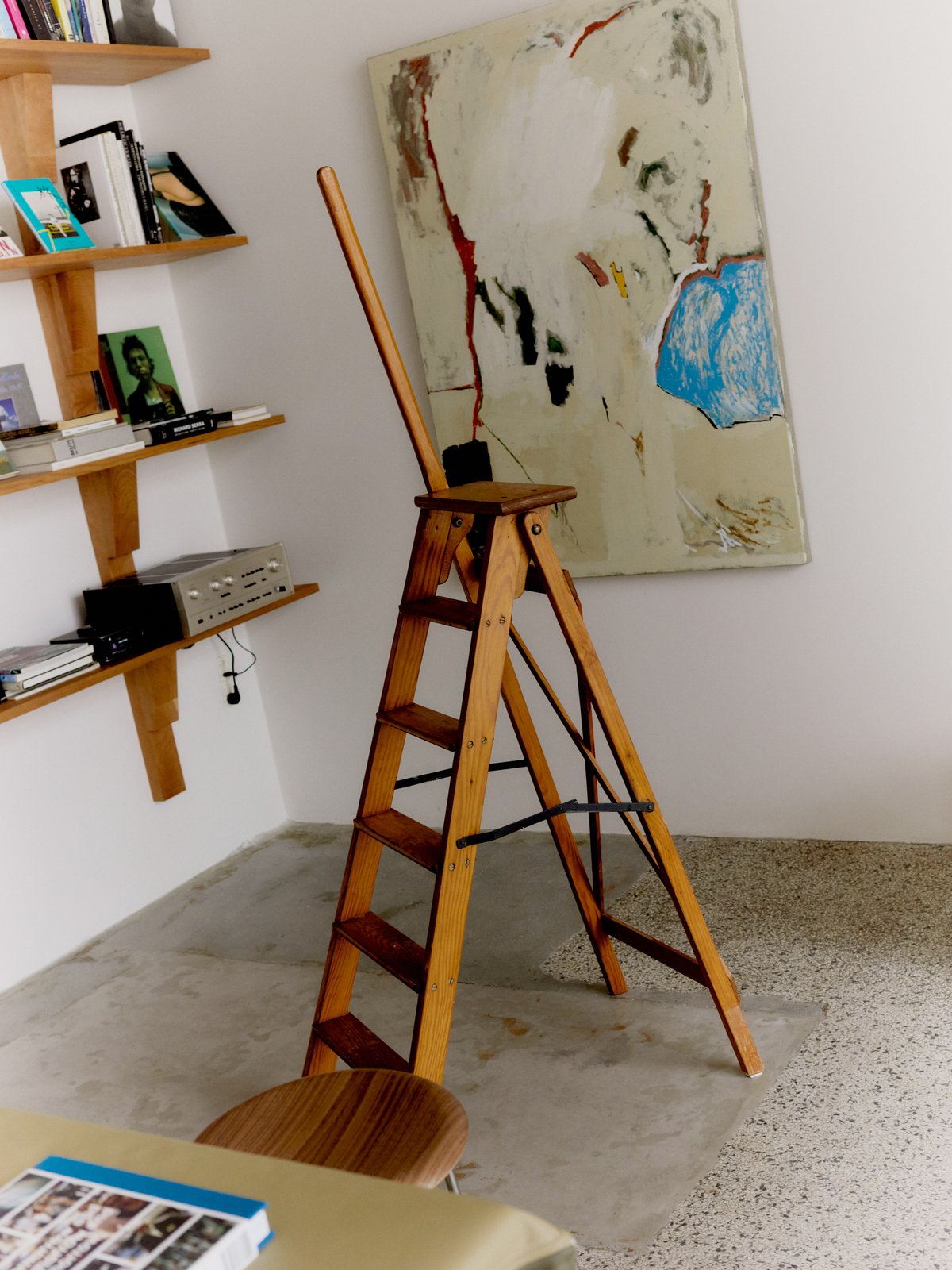
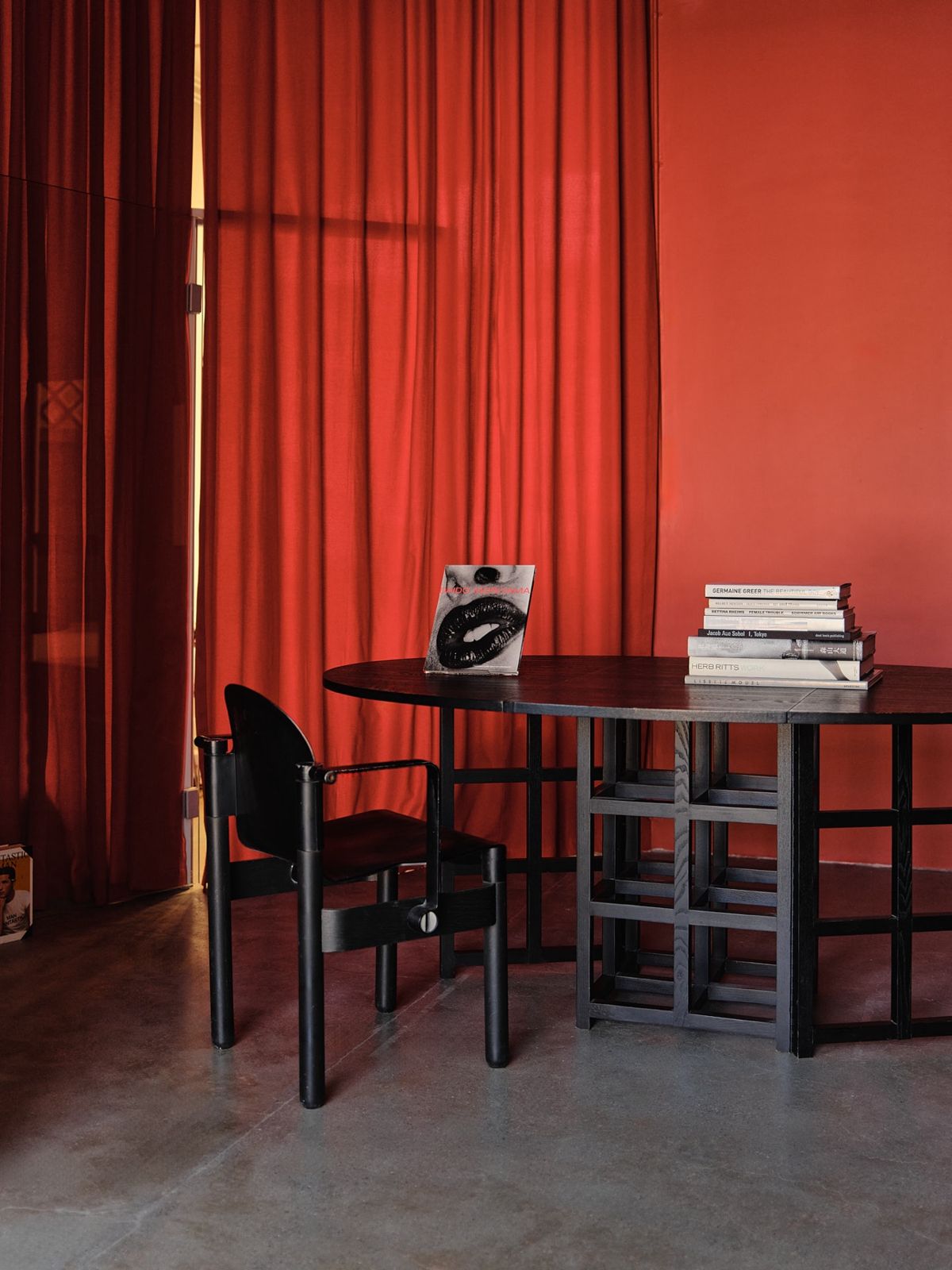
The interior is by Derya Arpaç, a designer and interior architect based in Copenhagen, trained at the Royal Danish Academy, who has worked at HAY and Note Design Studio. Her concept borrows from couture: a space tailored like a couture dress, in which each display element is designed by a different designer and custom made for Simone, then produced in Copenhagen by local cabinetmakers, upholsterers and designers. The designers were chosen to differ from one another in aesthetics and technique, on the principle that opposites attract.
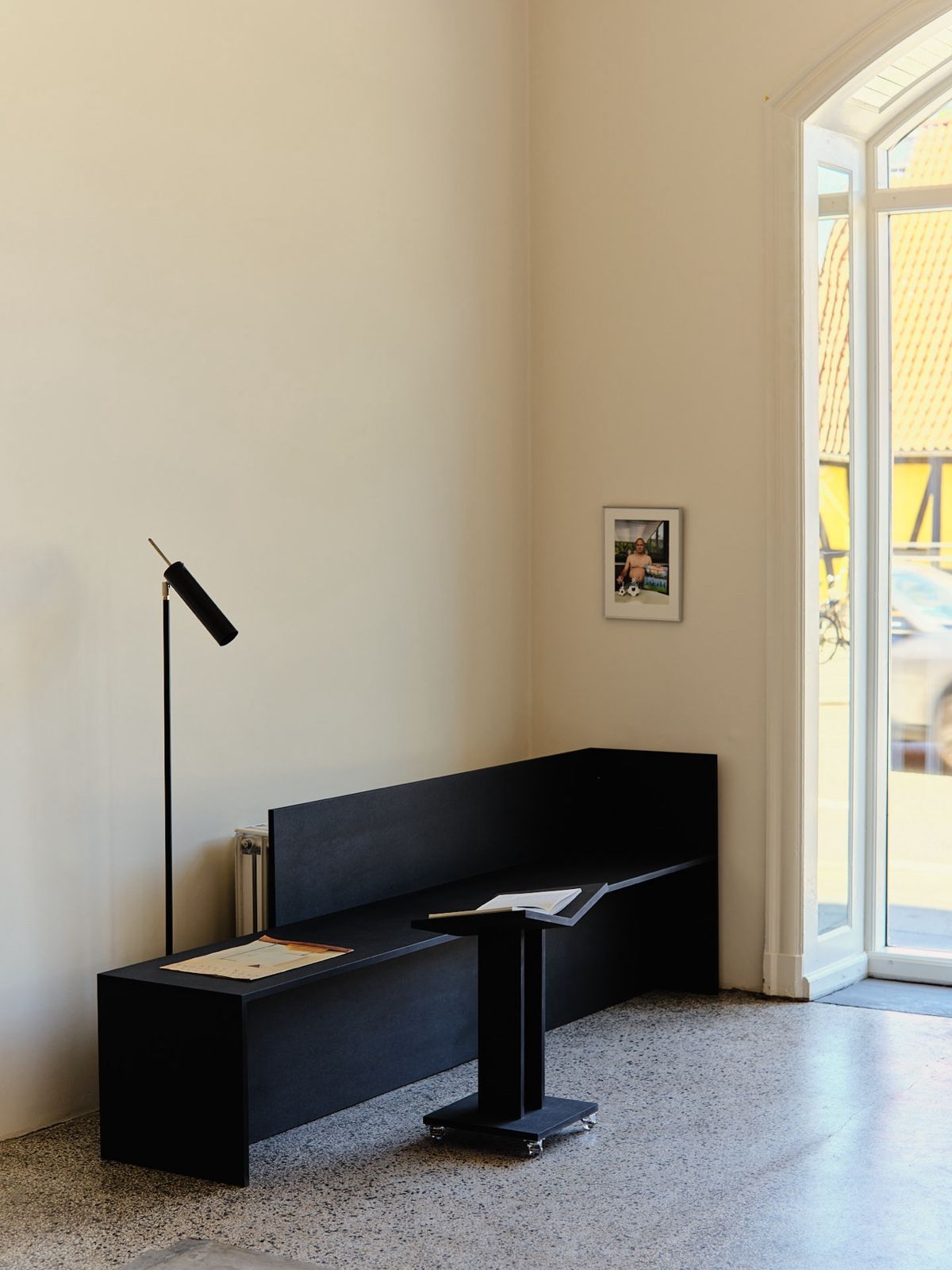
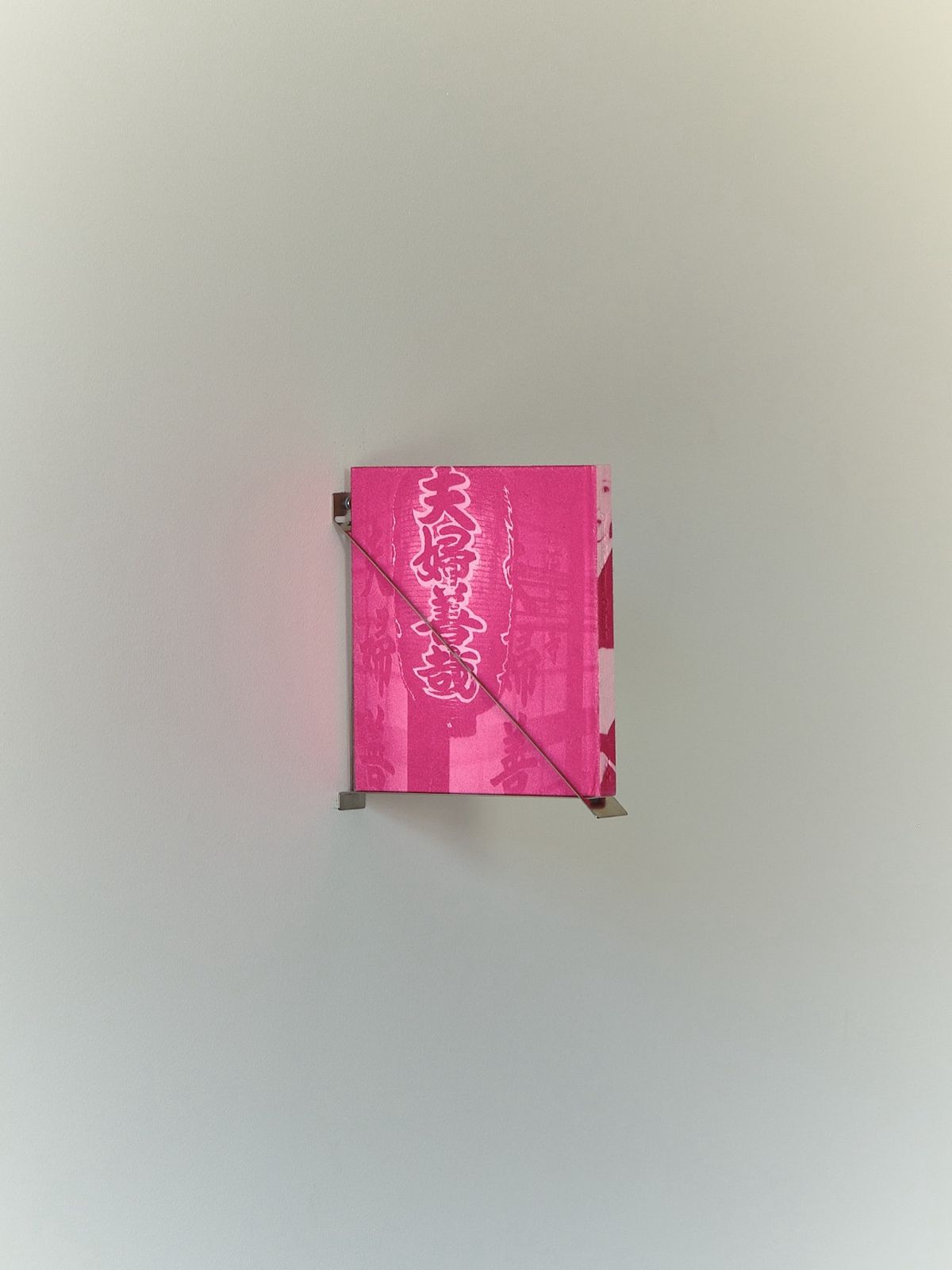
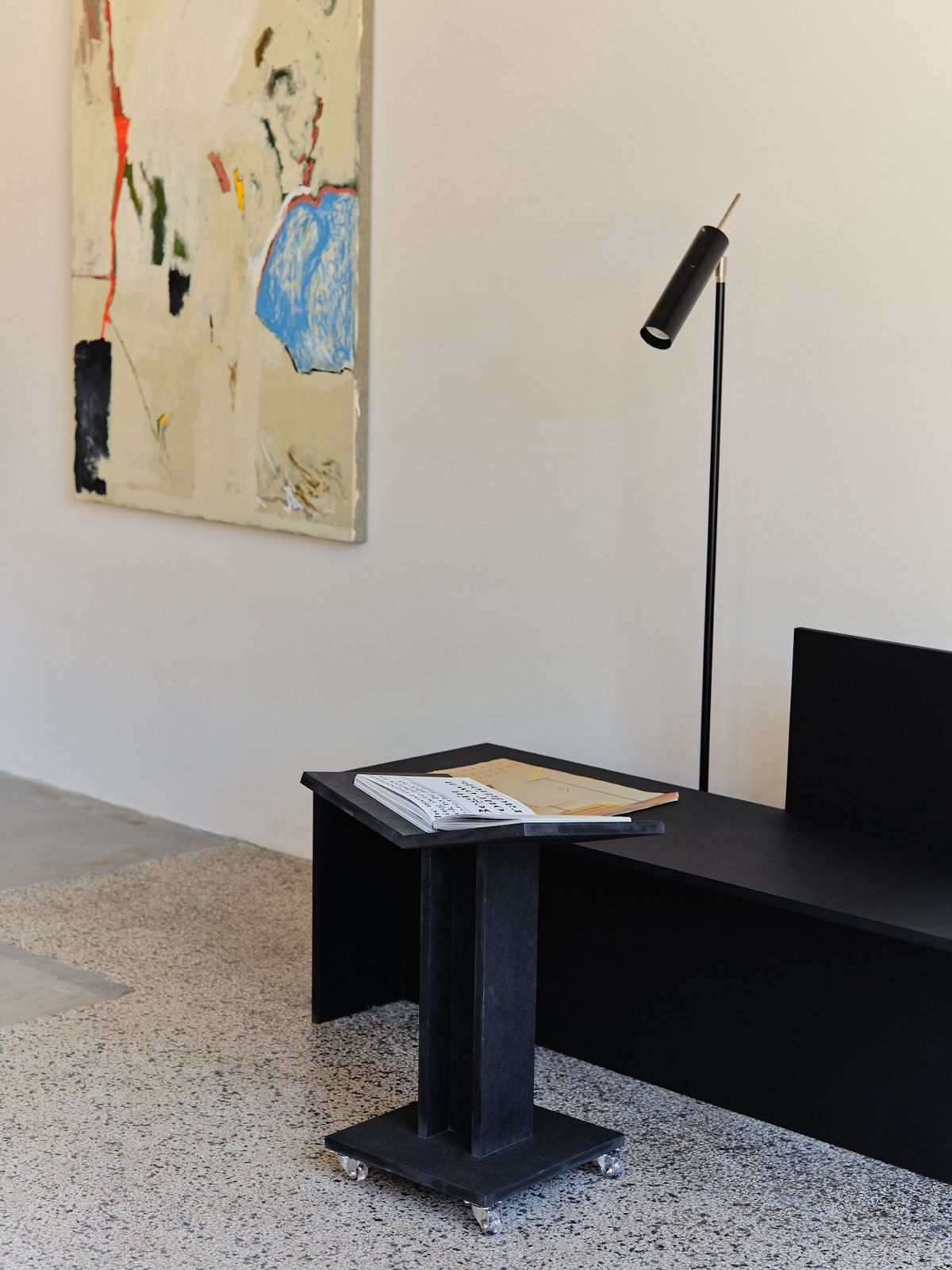
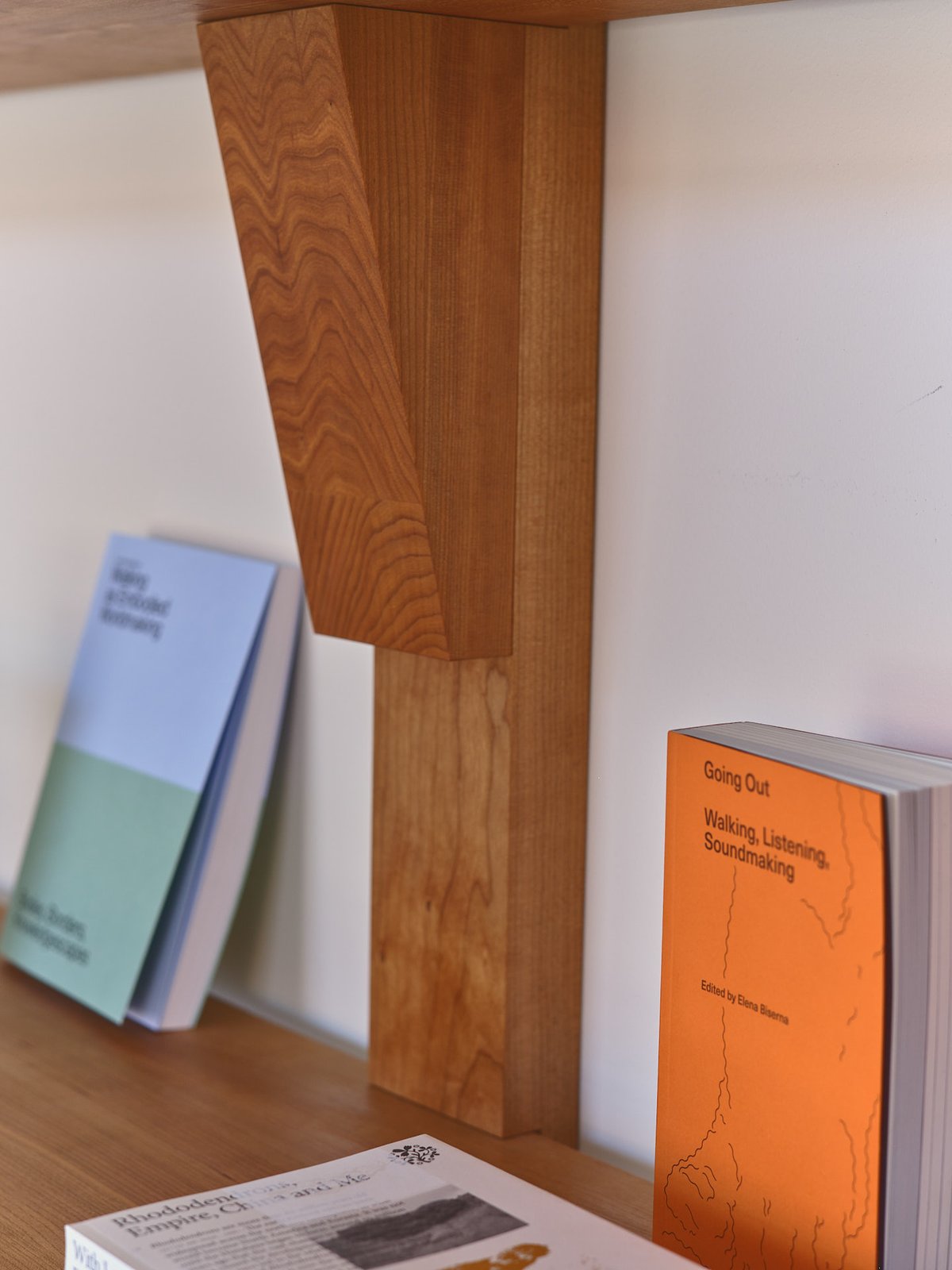
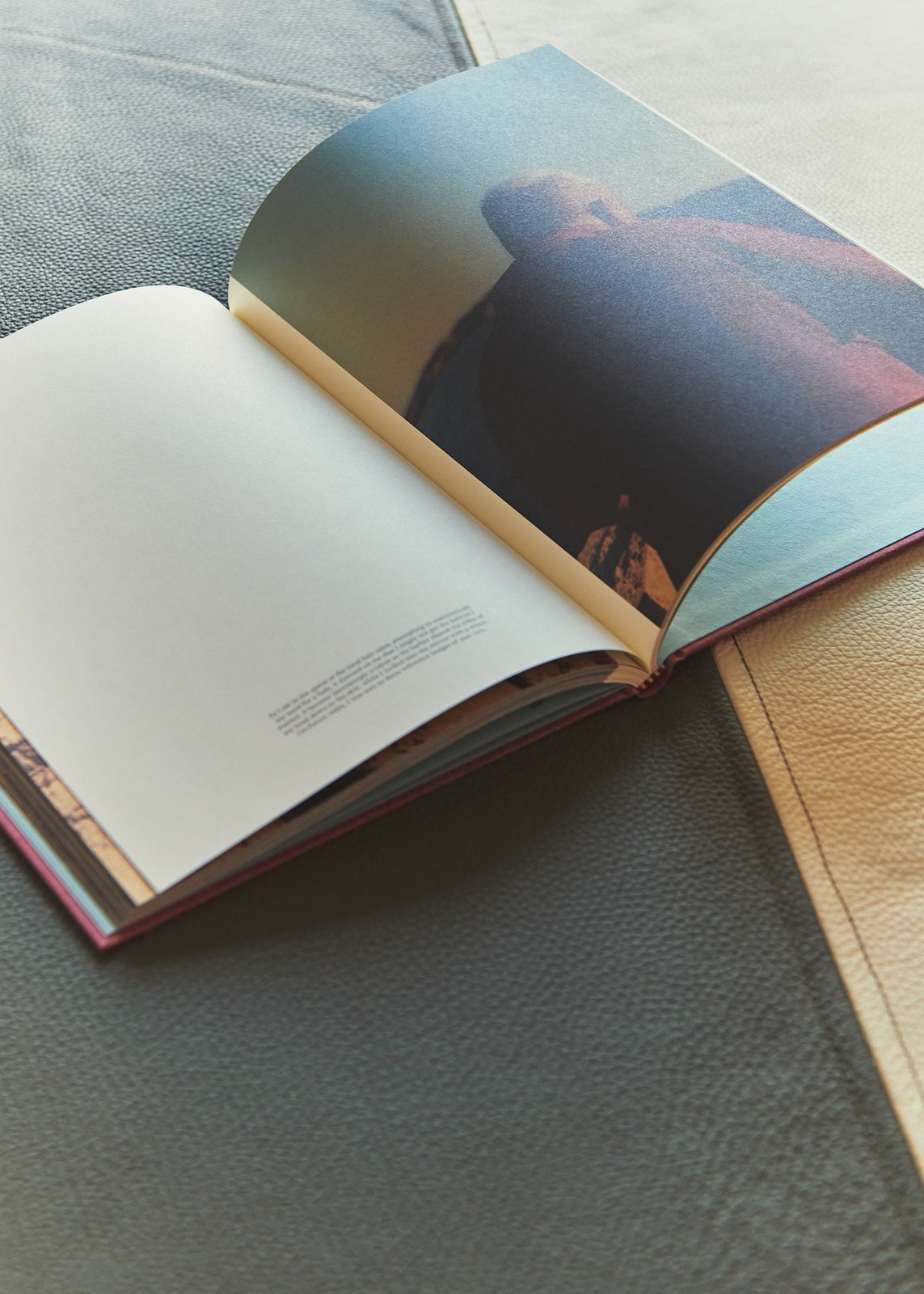
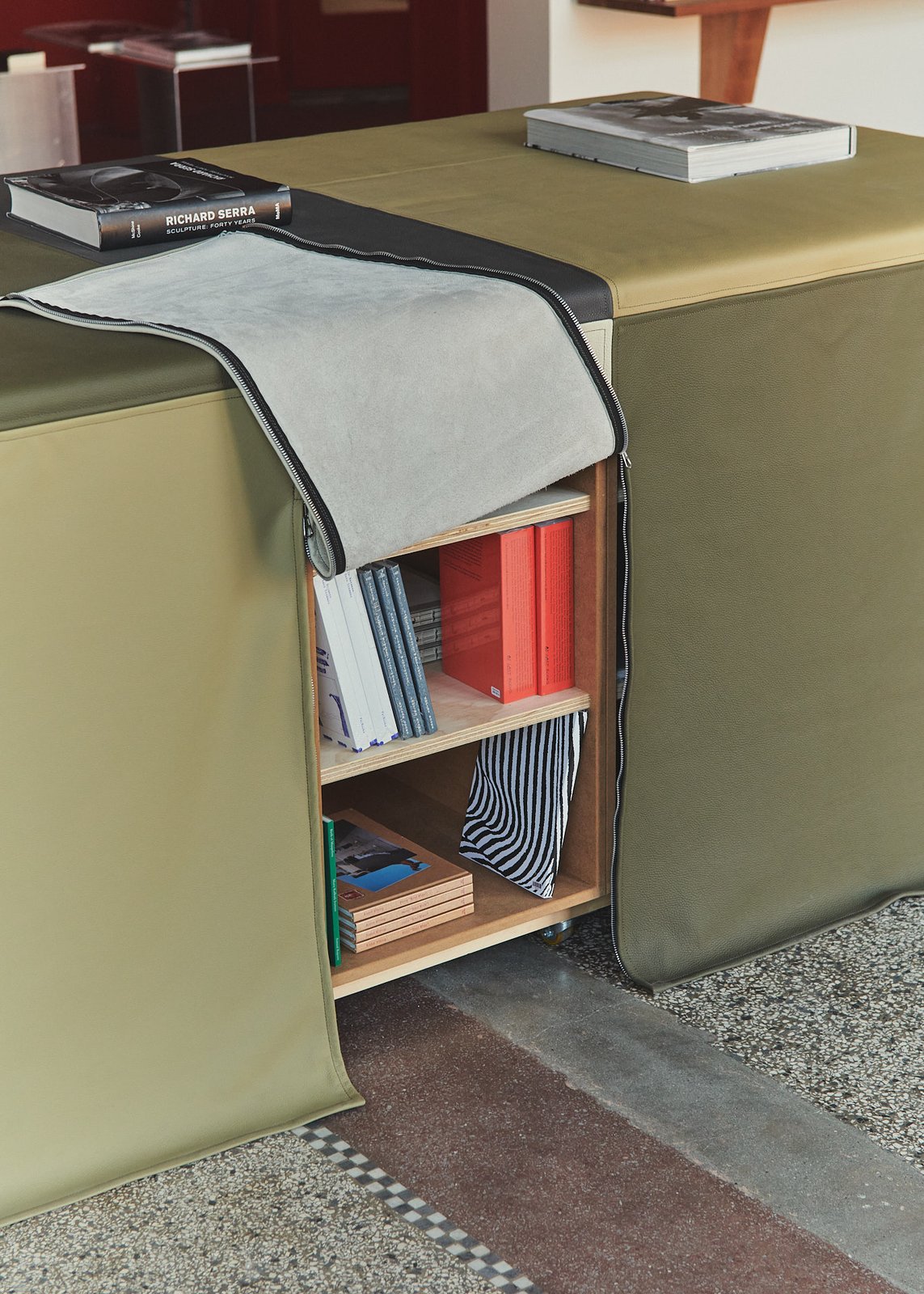
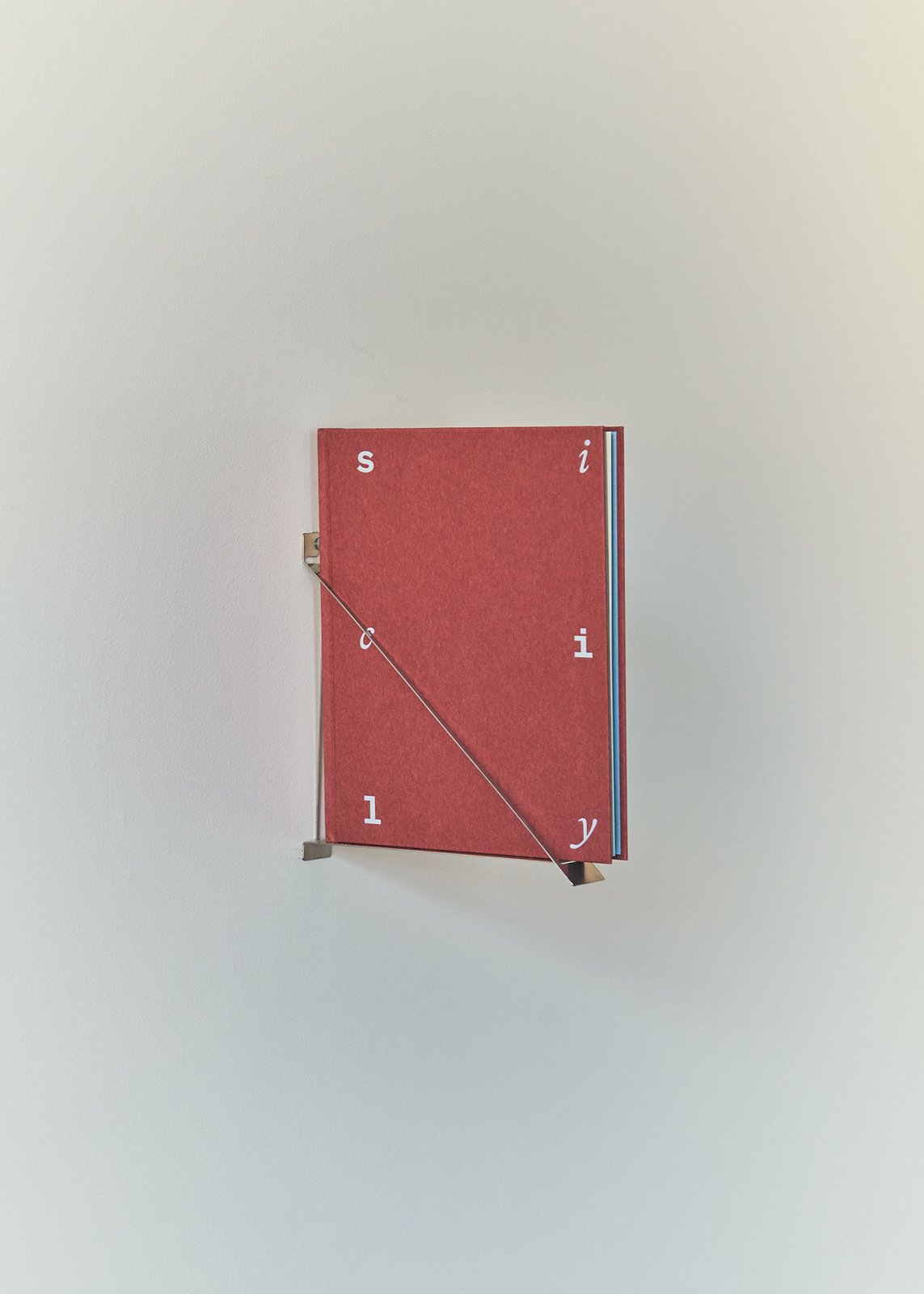
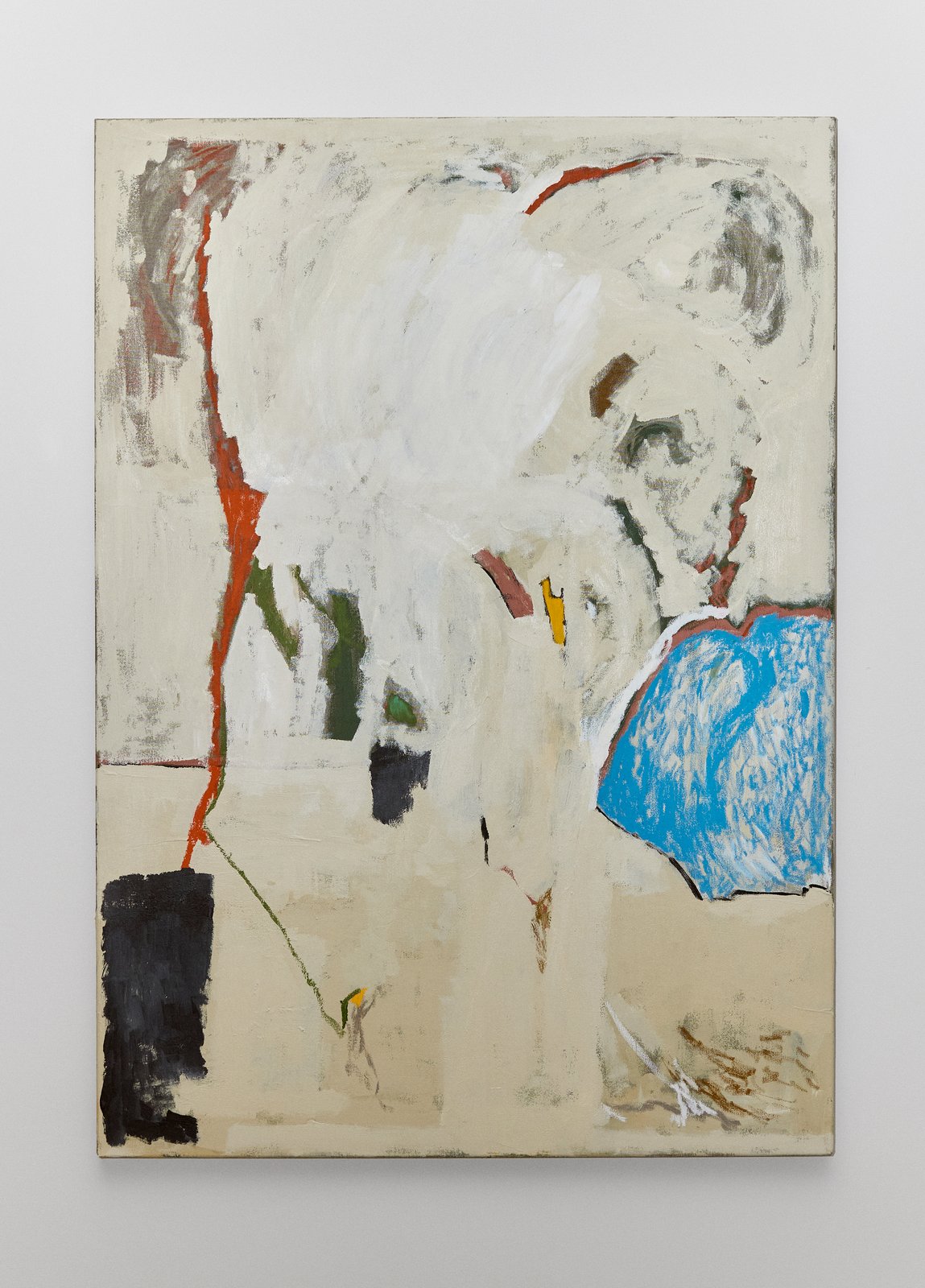
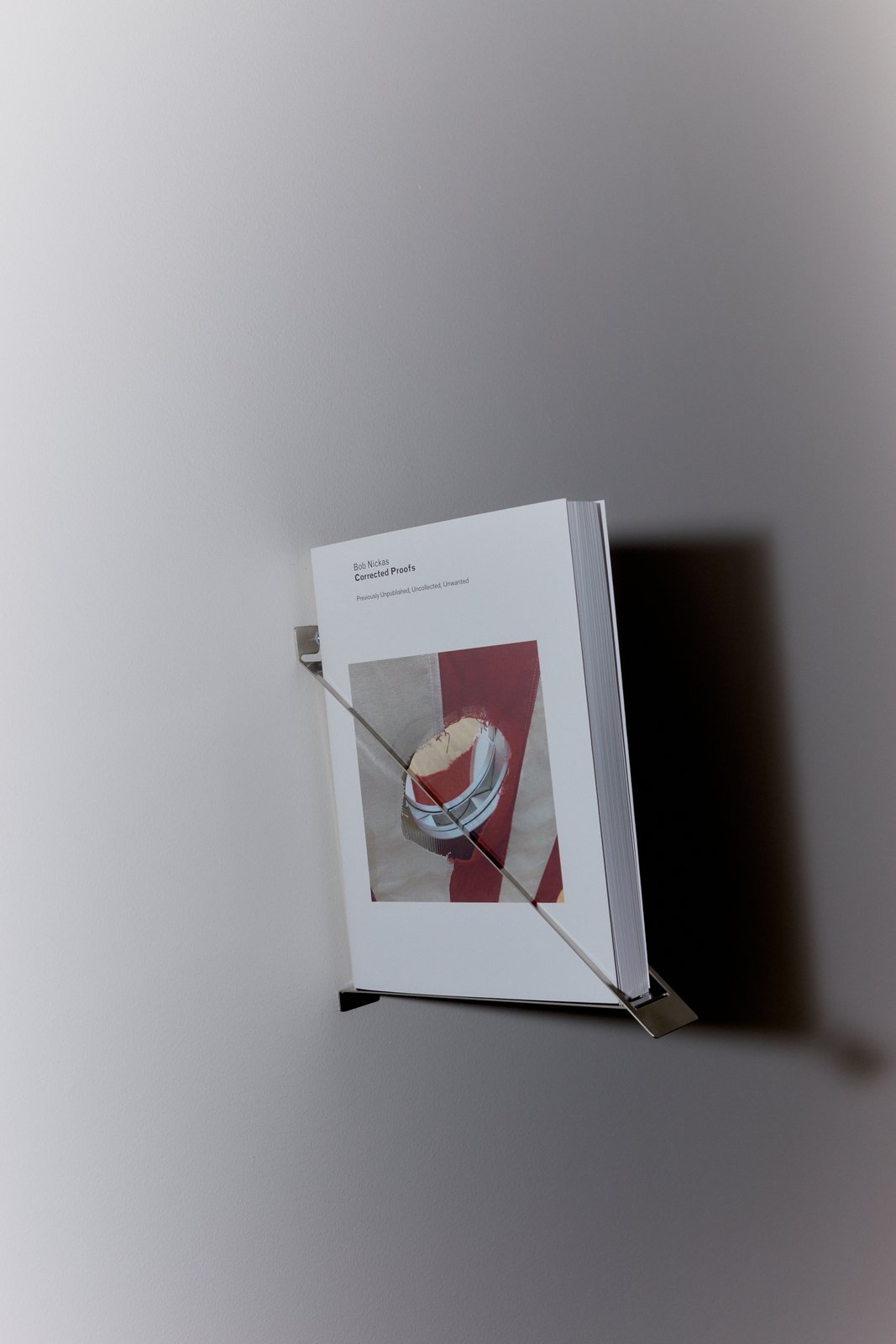
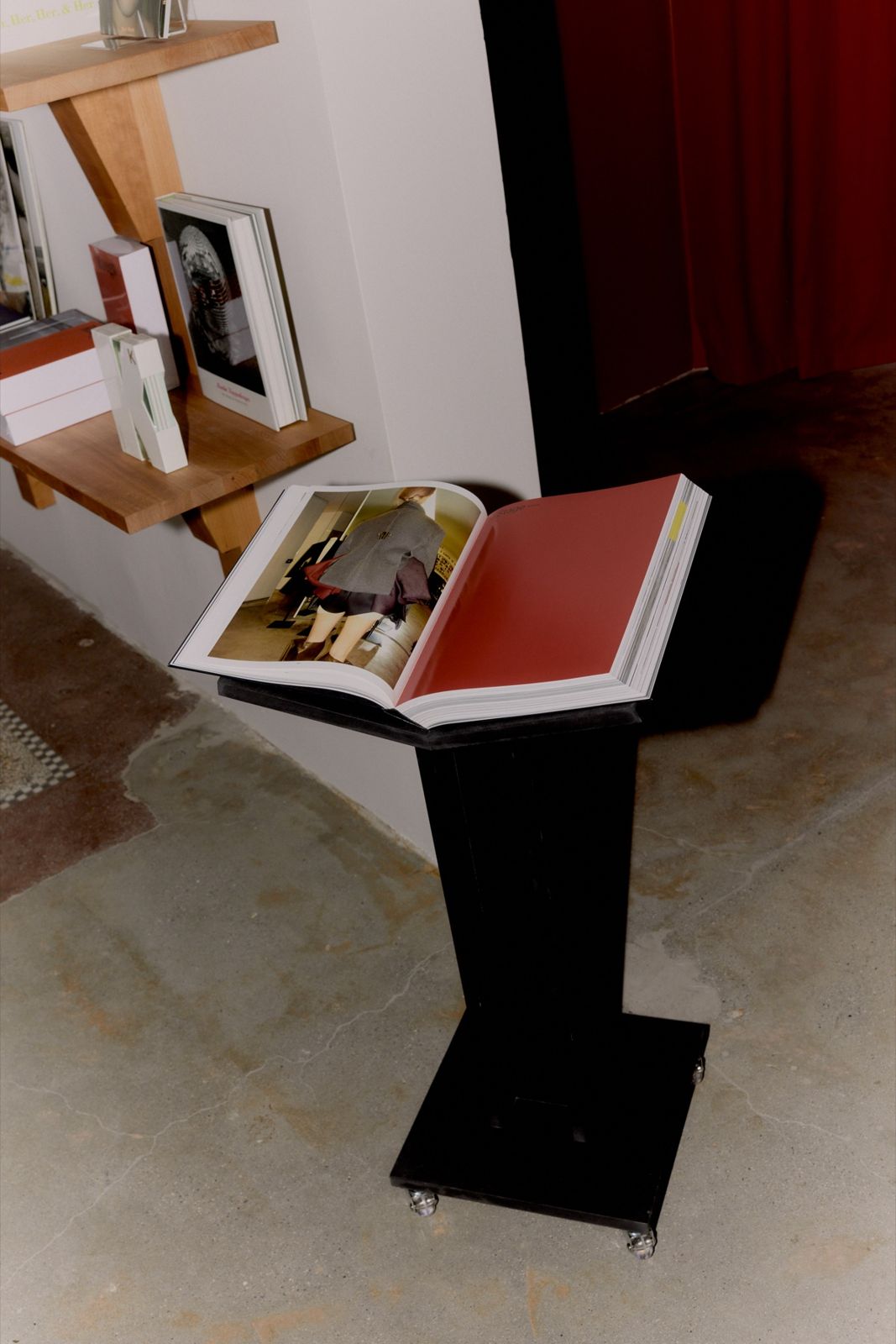
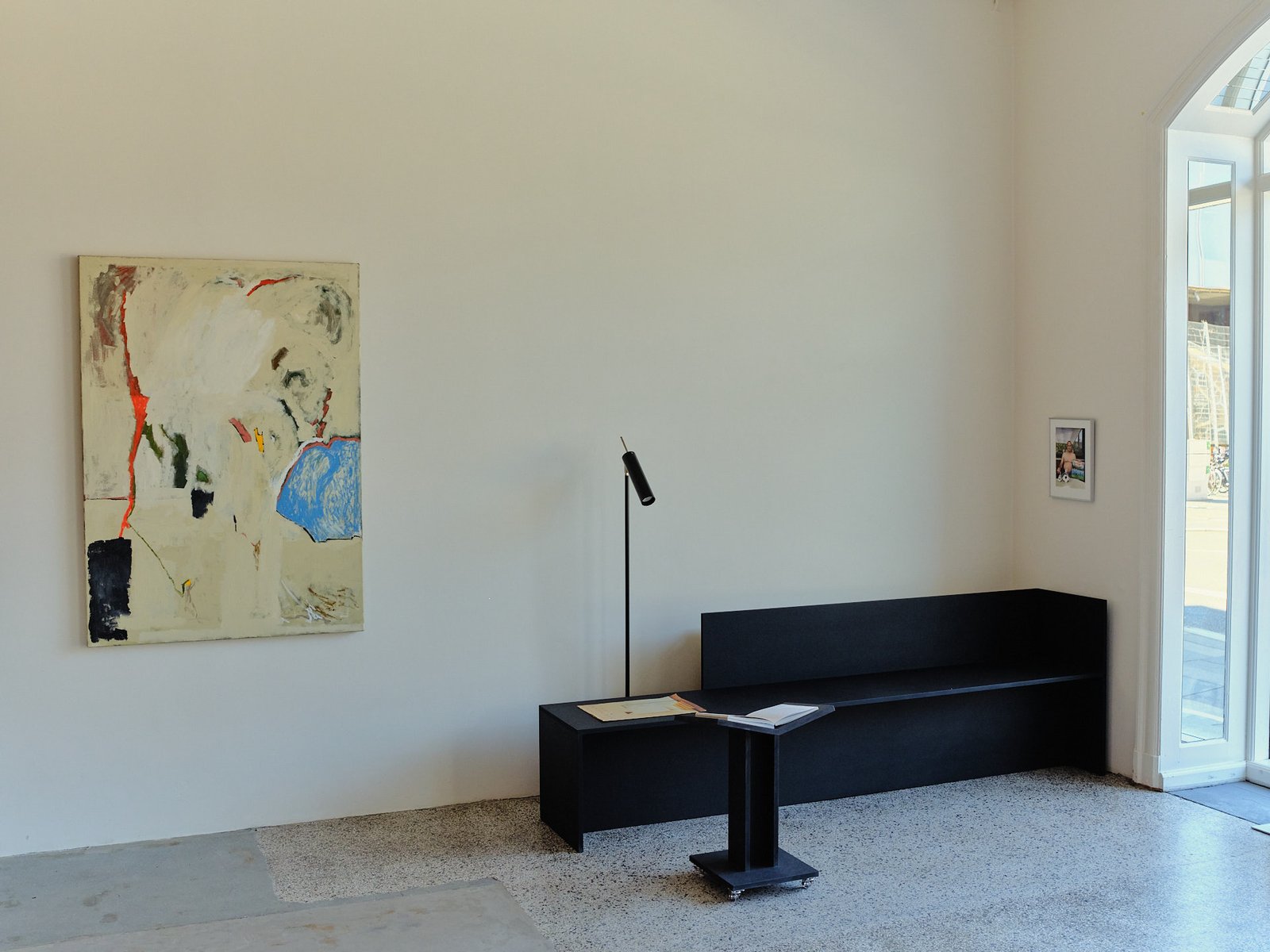
Lærke Ryom, who treats upholstery as tailoring, made the counter: a book bar in leather, an unusual material for the purpose, chosen for its tactility and its tailored feel. Kasper Kyster made the aluminium magazine display. Daniel Schofield made the Reading Bench and the Book Stand in black matte MDF, a modest material set beside leather and cherry; the bench is where the reading happens. Arpaç herself designed the floor to ceiling shelving in cherry, a wood so popular in Denmark in the recent past that it fell out of fashion, and now looks fresh again. Staffan Sundström painted the three works on the walls. Among them hangs Tomer Reuven’s One Book Shelf, a sheet of stainless steel folded into a shelf that holds a single book. The designers and their backgrounds are listed in section III.

Reading Design
The interior is the first chapter of a longer programme. Simone invites Copenhagen based designers to speculate about a dream reading setting: book displays, bookmarks, bookends, magazine holders, lighting, shelves, page weights. The question behind it is how we read, look, turn pages, display and place our books. The first answers are already on the floor: Ryom’s counter, Kyster’s display, Schofield’s Reading Bench and Book Stand, Reuven’s One Book Shelf. A first edition is in preparation for later this year.
Behind the programme stands a conviction about the objects themselves. These books express who their owners are. They remind us what questions we ask, what our memory is filled with, where our creativity is sourced. They are the most meaningful objects to own at a time when ownership is declining and means less every day.
Book Services
Beyond retail, Simone curates for others. Library curation for brand spaces, retail interiors, offices and private homes. Book branding for campaigns, film and television, editorial shoots and product launches. Exhibition making and book styling. The founders call it literary branding: a brand read back to itself through the books it would keep. Each commission starts from what a brand says, thinks and does, what it reads and where it goes to be moved, then how it looks, talks and sounds. What forms is a library, kept or re rolled, from fashion to hospitality.
The first commission was for SP Coffee, a sibling of April Coffee: a library that speaks for the brand’s persona and answers the room’s colours and details. Pink Hour by ASICS Sportstyle, in July 2026, was a guided selection built for a community. Bonnetje Recut, in August, paired the brand’s reworked suits with a small library on tailoring and construction during Copenhagen Fashion Week.
Rare books, limited runs and selected periodicals
Three kinds of things share the floor, and the first comes first. Rare and out of print books: artists’ books, exhibition catalogues, photobooks and monographs, sourced from the founders’ own collection, auctions, dealers and private libraries. The collection has been released part by part since July 2026. Then limited runs: new titles from independent publishers printed in small numbers, many never stocked in Denmark before, bought while they can still be had. Then a selected periodical wall of around eighty current titles, among them Erotic Review, L’Etiquette, Viscose, Alphabet, See All This, Archipelag, Conforma, Scenery, Interview, Real Review and MacGuffin, with vintage issues beside them. The list is meant to change. The founders are wary of success: some magazines became so widely appreciated that the reasons for the appreciation became their blueprint, which carries the risk of repetition and of losing the ability to see what is next.
Books are mostly in English but other languages exist too. The shop follows Danish publishers closely, among them Bureau for Listening, At Last Books and Plethora.
The founders
Simone is run by a couple, Tugce Kayar Subay and Ibo Subay. Tugce Kayar Subay is Executive Editor of Numéro Istanbul and has worked for Harper’s Bazaar, L’Officiel and Marie Claire. She also develops projects for fashion brands on the agency side and holds a master’s degree in French literature. Ibo Subay comes from digital and print media, where he developed creative projects for global brands. French literature is the foundation they share, from school onward.
Copenhagen was the city they kept returning to. In 2018 Ibo proposed to Tugce at Vega, during a Nils Frahm concert. They settled in the city in 2023. The shop had been Tugce’s idea for years. The name honours three women the founders consider personal heroes: Nina Simone, Simone de Beauvoir and, more recently, Simone Weil. Three women who lived what they wrote and sang.
For twenty years the books were bought for the founders’ own shelves. Sourcing, they say, is not an effort; it is how they live. The library grew, but the real change was one of quality: ordinary copies gave way to better editions, in content, in production, in rarity, and the collection widened into fields they found relevant. Rare titles from the private library have been on sale only since July 2026, released part by part.
Simone Book Services, Vester Voldgade 106 st. tv., 1552 Copenhagen V. Opened February 2026. Rare and out of print books, limited runs and selected periodicals on art, design, architecture, photography, fashion and culture; library curation and book services. Tuesday to Friday 11:00 to 17:30, Saturday and Sunday 11:00 to 16:00. simonebook.services